·
·


Tech & Science
A Virginia Tech study reveals that glyphosate, a widely used herbicide, impairs honeybee foraging behavior and alters brain chemistry, potentially threatening hive stability.

Researchers at Virginia Tech have identified that glyphosate, one of the most extensively applied weedkillers globally, can negatively affect honeybee foraging behavior and brain chemistry. This discovery raises concerns about the herbicide’s impact on pollinator health and hive sustainability.
The study, supported by the National Institute of Food and Agriculture and a graduate student grant from Virginia Tech’s Department of Entomology, was led by Associate Professor Margaret Couvillon and Ph.D. student Laura McHenry. Their findings were published in the Journal of Experimental Biology.
Glyphosate is the active compound in many herbicides used to control weeds in agricultural and pollinator-friendly environments. Because it inhibits an enzyme essential for photosynthesis in plants, and honeybees lack this enzyme, glyphosate was previously considered safe for bees. However, the Virginia Tech team sought to investigate whether exposure during foraging could still produce adverse effects.
“We were interested in investigating the impact of glyphosate, the most widely used pesticide in the world, on the behavior and brains of honeybees, important pollinators that might encounter the weedkiller as they forage in the landscape,” said Couvillon.
In the study, honeybees were trained to visit two artificial feeders, one containing glyphosate and one without. After three days, bees exposed to glyphosate exhibited a 13 percent decrease in foraging activity. This behavioral change was accompanied by alterations in brain chemistry, specifically in amino acids and neurotransmitters.
“For a colony, a 13 percent reduction in foraging can be consequential,” Couvillon explained. “If the entire colony was exposed, this could lead to decreased pollination effectiveness and reduced honey production, risking colony survival and long-term stability.”
The research highlights the need for enhanced strategies to protect pollinators from herbicide exposure. The authors advocate for improved regulatory measures, more judicious application of weedkillers, and further research into the biological interactions between these chemicals and pollinators.
Laura McHenry, now a postdoctoral researcher at Penn State who conducted the study during her Ph.D. at Virginia Tech, stated, “Understanding how weedkillers affect beneficial insects like pollinators will help us make more strategic regulatory choices about when and where to use them for maximum benefit and minimum harm.”
Given the critical role honeybees play in global pollination and the widespread use of glyphosate-based herbicides, the broader ecological consequences of these findings warrant continued investigation.
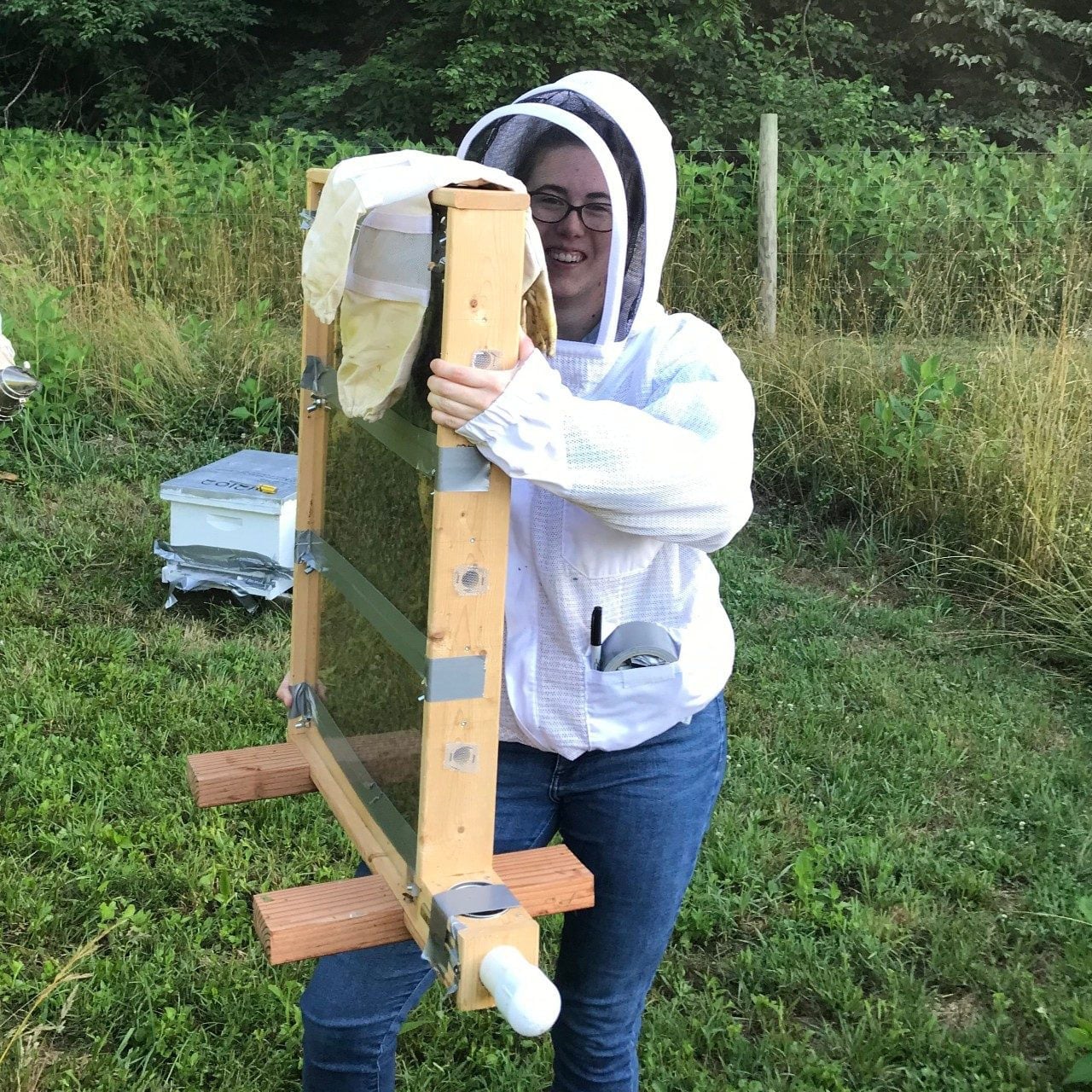
Laura McHenry Holding an Observation Beehive