

Tech & Science
PPPL researchers identify tungsten contamination as major fusion hurdle
New calculations from Princeton Plasma Physics Laboratory reveal that trace tungsten impurities can double ignition pressure requirements in fusion reactors.

Trace amounts of tungsten could significantly hinder the path to practical nuclear fusion, according to new research from the U.S. Department of Energy’s Princeton Plasma Physics Laboratory (PPPL). The metal, widely used to line reactor walls due to its high melting point and durability, may paradoxically make ignition harder to achieve if it contaminates the superheated fuel.
Tungsten Impurity Impact on Ignition
The study indicates that a tungsten concentration of just one part in 10,000—equivalent to 0.01%—could roughly double the plasma pressure required for ignition. Ignition is defined as the state where fusion reactions generate sufficient heat to sustain themselves without external heating systems. Because tungsten has a high atomic number, even minimal concentrations inside the plasma can cause substantial energy loss through radiation.
In magnetic confinement devices like tokamaks, higher plasma pressure relative to the confining magnetic field increases the risk of instabilities. PPPL physicists Luis Delgado-Aparicio, Masayuki Ono, and Jonathan Menard developed a mathematical framework accounting for these complications alongside helium ash buildup, electron radiation, and heat escape. “When you leave these effects out, you say the design will work fine,” Ono stated in a PPPL release. “When you put them in, the picture changes.”
Reversing the Heating Sequence
While tungsten poses challenges, the researchers identified a potentially more efficient route to ignition. Conventional strategies often involve increasing fuel density before raising temperature. However, the new model suggests reversing this sequence: heating the plasma first, then adding fuel to increase density. This approach may require substantially less energy by utilizing a lower passage through the conditions separating externally heated plasma from self-sustaining fusion, known as the Cordey saddle.
In idealized scenarios, this pathway occurs at a fusion gain of approximately five, meaning the plasma produces five times the power supplied by external heating. While not full ignition, this represents a useful intermediate step. The framework also notes that extremely strong magnetic fields, sometimes proposed for compact reactors, can introduce additional radiation losses that complicate the process.
Mitigation Strategies and Limitations
To address tungsten contamination, the team proposes coating reactor walls with liquid lithium, which may prevent impurity entry while improving heat retention. Another potential solution involves spin-polarized fuel, where aligned nuclei increase the probability of fusion reactions. Interestingly, some energy losses that hinder ignition might help prevent excessive temperature spikes, aiding control over sustained fusion.
These findings remain theoretical, and the heat-first approach has not yet been demonstrated experimentally. The researchers plan further investigation using computer simulations. It is crucial to distinguish between achieving ignition and producing net electricity; the National Ignition Facility in California achieved laser-driven ignition in December 2022, but that method differs fundamentally from sustained magnetic confinement and did not yield grid-ready power.
Commercial fusion continues to face significant engineering hurdles, including managing radioactive materials from neutron bombardment, securing tritium fuel supplies, and ensuring long-term operational reliability. The PPPL study does not resolve these issues but offers a more realistic evaluation framework for future reactor designs. Given that single experimental reactors can cost billions, identifying likely failure modes beforehand holds considerable value. As Ono noted, “Fusion experiments cost a great deal of money, and you do not want to make mistakes you could have caught beforehand.” The research was published in Physical Review Letters.
Latest news

Discussed This Matter With Trump: Will Netanyahu Attack Iran Before Israeli Elections?

Kyle Kennedy, RFK granddaughter and disability advocate, dies at 42
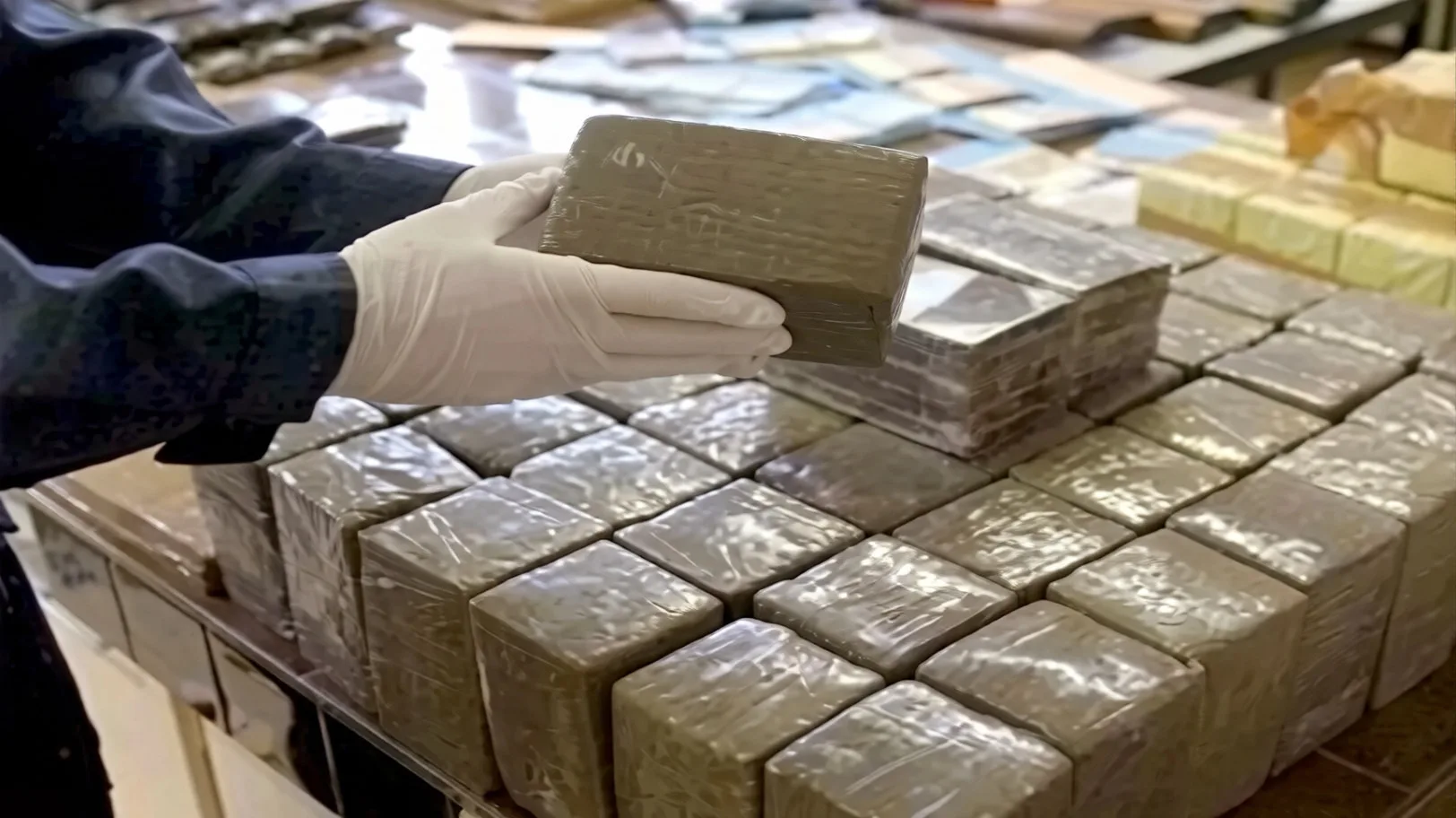
Algeria Court Sentences Three to Death for 114-Ton Hashish Smuggling
