·
·


Tech & Science
Researchers have developed a method to freeze brain tissue at -130°C, preserving its structure and function for later revival and study.

A team of scientists has successfully preserved brain tissue by freezing it without causing the usual damage from ice crystals, enabling the tissue to regain function after thawing. This breakthrough draws inspiration from the Siberian salamander, an amphibian known for surviving extreme cold by producing glycerol, which acts as a natural antifreeze to protect its cells during freezing and thawing.
Dr. Alexander German from the Department of Molecular Neurology at Uniklinikum Erlangen explained that ice crystals typically cause mechanical damage to cells, destroying the delicate nanostructure of tissues. In contrast, their method prevents ice crystal formation by vitrifying the tissue, a process where water solidifies into a glass-like state with randomly arranged molecules rather than crystalline structures.
While vitrification has been used to preserve human embryos by cooling them below -130 degrees Celsius with chemical treatments to inhibit ice formation, applying this technique to nerve tissue or entire brain regions has been challenging. Toxicity from antifreeze agents and the vulnerability of neural networks, especially synapses connecting neurons, have hindered previous efforts.
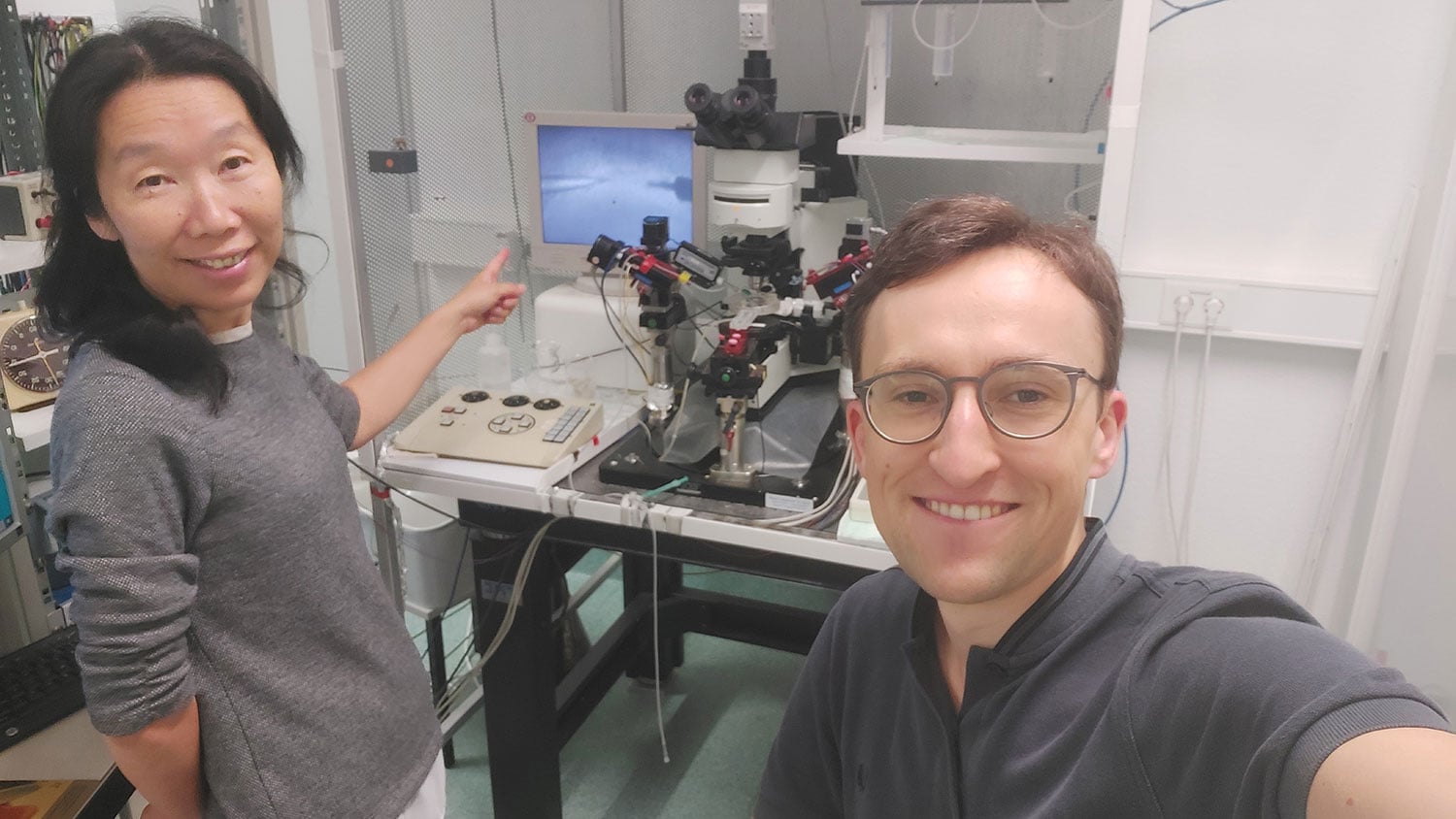
The researchers optimized both the composition of preservatives and the cooling protocol to maintain the integrity of neural tissue. They tested their approach on rodent hippocampus sections, a brain region associated with memory storage, cooling the samples to -130 degrees Celsius. Electron microscopy confirmed that the tissue's nanostructure remained unchanged after freezing.
Following thawing, the hippocampus exhibited spontaneous electrical signaling that propagated normally through neural networks. Brain researcher Dr. Fang Zheng from the Institute of Physiology and Pathophysiology at FAU demonstrated that long-term potentiation—a process strengthening frequently used synapses crucial for learning and memory—could be induced in the preserved tissue.
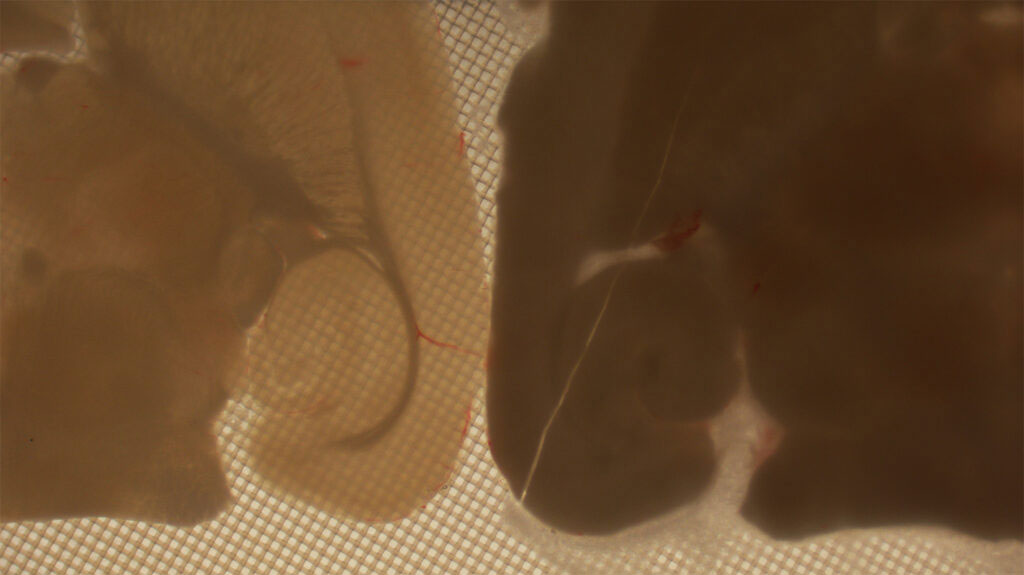
This method offers potential applications such as storing brain tissue samples from epilepsy surgeries for future medication testing and supporting research into neurodegenerative diseases by preserving diseased tissue for extended periods. Dr. German also envisions the possibility of inducing artificial hibernation in whole organisms for space travel or treating currently incurable diseases, allowing revival when therapies become available.