·
·


World
All eyes are on Switzerland on Friday, as the United States and Iran prepare to sign a 14-clause memorandum of understanding that paves the way for ending the war and opening the door to broader peace negotiations in the coming months.

All eyes are on Switzerland on Friday, as the United States and Iran prepare to sign a memorandum of understanding consisting of 14 clauses, paving the way for ending the war and opening the door to broader peace negotiations in the coming months.
Although the document does not rise to the level of a final peace agreement, it outlines a new framework for relations between the two countries, including a ceasefire, the reopening of the Strait of Hormuz, a timeline for negotiations, along with a broad package of economic and political incentives for Iran.
The draft memorandum of understanding, details of which were leaked and reviewed by the British newspaper "The Telegraph," reveals an agreement that grants Tehran a series of economic and strategic gains in exchange for its pledge not to develop a nuclear weapon, while the most complex issues, foremost among them the future of its nuclear program and its stockpile of enriched uranium, have been postponed to the final negotiation phase.
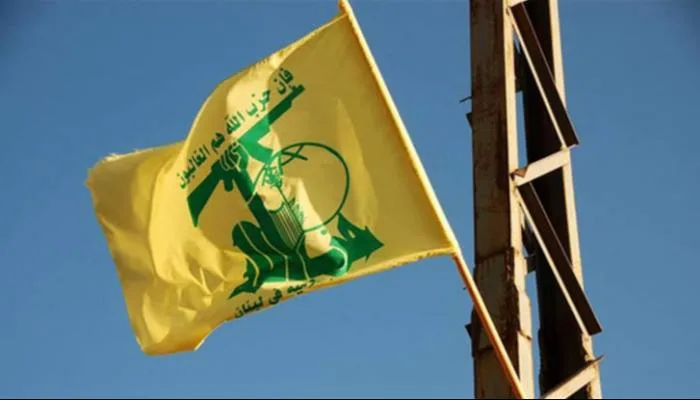
"The Telegraph" considers that the first clause represents the "cornerstone" of the memorandum of understanding, as it stipulates an immediate and permanent cessation of war between the United States and Iran, with the cessation of military operations extending to the Lebanese front, effectively meaning an end to the confrontation between Israel and Hezbollah.
According to the newspaper, this clause came in response to one of Tehran's most prominent demands during the negotiations, but its implementation remains contingent on the commitment of all parties, especially given the continuation of Israeli strikes against sites linked to Hezbollah after the announcement of the agreement, which could threaten the course of the understanding from its outset.
"The Telegraph" noted that the memorandum includes a mutual pledge to respect the sovereignty of both the United States and Iran and non-interference in the internal affairs of the other party, in an attempt to rebuild a minimum of political trust after months of military confrontation.
The document also sets a deadline not exceeding 60 days to reach a final agreement, with the possibility of extension by mutual consent if the negotiations require more time to resolve contentious issues.
"The Telegraph" indicates that the Strait of Hormuz occupies a pivotal position in the agreement, as Washington pledges to lift the naval blockade imposed on Iran and restore navigation to normal levels within 30 days, along with withdrawing its forces from surrounding areas after the final agreement is concluded.
In return, Tehran commits to reopening the navigational corridor for commercial ships between the Arabian Gulf and the Sea of Oman, and working to remove mines and technical obstacles hindering navigation, allowing the return of shipping traffic to pre-war levels.
The newspaper believes that this clause reflects the two parties' awareness of the global economic importance of the strait, through which about a fifth of global oil trade passes, and that stability of navigation there represents a priority for international markets as much as it is a political necessity for both sides.
"The Telegraph" considered that the most "attention-grabbing" clause of the agreement is the pledge by the United States, in cooperation with its regional partners, to prepare a plan to revive the Iranian economy and finance it with no less than 300 billion dollars.
It explained that the mechanism for implementing this plan will be set within 60 days, while Washington has linked the release of funding to Iran's full compliance with the terms of the final agreement, particularly regarding the nuclear file.
It saw that this pledge represents one of the largest economic gains Tehran has obtained in years, after military pressure alone failed to push it to make concessions on its nuclear program.
"The Telegraph" clarifies that the memorandum includes a US commitment to set a timeline for ending all types of sanctions imposed on Iran, including US sanctions, UN Security Council resolutions, and restrictions related to the International Atomic Energy Agency.
The document also stipulates the gradual release of Iranian assets and funds frozen abroad, making them fully available to the Central Bank of Iran, along with issuing the necessary licenses to resume exports of crude oil, petrochemical products, and related services such as transportation, insurance, and banking services.
The newspaper notes that these clauses grant Iran a rapid economic outlet even before reaching a final peace agreement, making it one of the biggest beneficiaries of the memorandum of understanding.
"The Telegraph" says the document affirms Iran's pledge not to produce nuclear weapons, but it does not provide a final solution for the future of its nuclear program or the fate of its enriched uranium stockpile.
Instead, the two parties agreed to defer these issues to the final negotiations, maintaining the status quo during the transitional period, whereby Iran refrains from expanding its nuclear activities, while the United States refrains from imposing new sanctions or reinforcing its military presence in the region.
The newspaper explained that the final clauses of the memorandum stipulate the establishment of a joint mechanism to monitor the implementation of the final agreement and ensure the two parties' commitment to their pledges.
The document also links the start of the next round of negotiations to the implementation of a number of basic clauses, foremost among them the reopening of the Strait of Hormuz, the resumption of commercial navigation, and the beginning of the implementation of sanctions relief measures and the release of frozen Iranian funds.
In the final stage, the final agreement is supposed to be adopted through a binding resolution issued by the UN Security Council, granting it international legal status and establishing a long-term framework for relations between Washington and Tehran.
"The Telegraph" concluded that "the current formula of the memorandum of understanding grants Iran broad political and economic gains, including the cessation of military operations, the gradual lifting of sanctions, the restoration of its oil exports, and the release of its frozen funds, in addition to an international plan to revive its economy."
In return, the primary US gain lies in obtaining an Iranian pledge not to develop a nuclear weapon, while the most sensitive issues have been postponed to later negotiations.
The newspaper believes that the success of the agreement will remain contingent on the ability of the two parties to overcome these files within the sixty-day deadline set for reaching a final peace agreement.