·
·


World
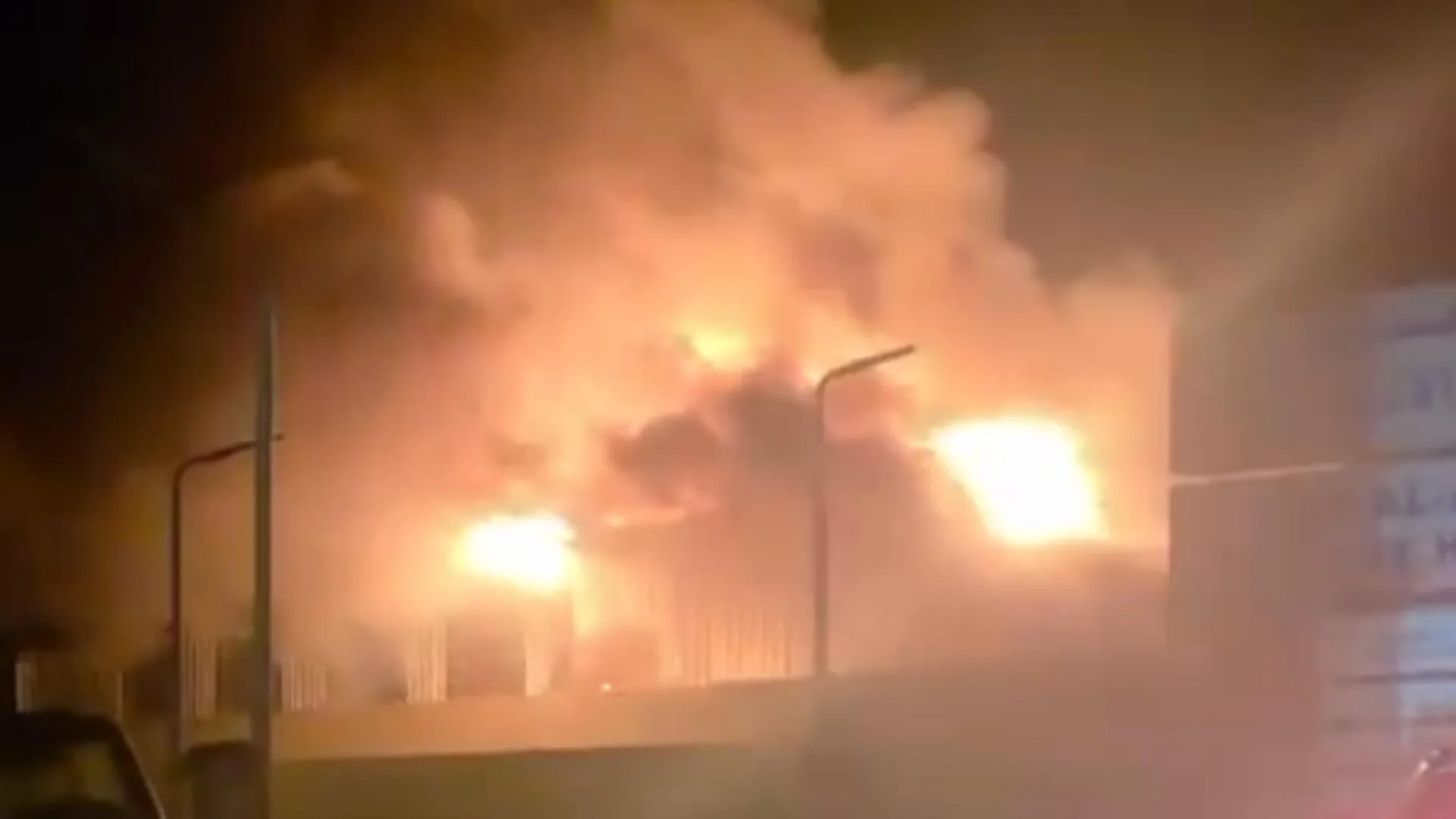
Deadly attacks in Mali have exposed the failure of military rule in the Sahel, where junta leaders promised security but delivered chaos. Tuareg separatists now control Kidal, while the African Legion—linked to Russia's defense ministry—withdraws from northern areas. The killing of Defense Minister Sadio Camara has deepened fears of state collapse. Colonel Assimi Goita, who seized power in two coups vowing stability, now faces an existential threat as Jama'at Nusrat al-Islam wal-Muslimin besieges Bamako, cutting fuel supplies and vowing to topple his government. Analyst Kasim Kaita warns the regime's promises have backfired, leaving Mali at a dangerous crossroads as armed groups expand their influence.

The deadly attacks that struck Mali on Saturday shed light on the consequences of military rule in African countries, where young officers who rose to power years ago promised to restore security and stability — especially in Sahel countries such as Burkina Faso, Mali, and Niger.
With the Tuareg separatists announcing their control over Kidal and reaching understandings with the African Legion, which reports directly to the Russian Ministry of Defense, for withdrawal from northern parts of the country, concerns escalated about a major unraveling of the situation — especially after the killing of Defense Minister Sadio Camara and the army's vow to counter these attacks.
Mali has witnessed two military coups in recent years that led Colonel Assimi Goita to power, who promised to establish the security that has been absent for years — but the results were the opposite, as chaos escalates in the country.
An existential challenge
For months, Jama'at Nusrat al-Islam wal-Muslimin has led a suffocating siege against the Malian capital, cutting off fuel supplies amid fears of the possibility of it falling into the hands of this group, which is vowing to topple Goita's government.
Malian political analyst Kasim Kaita said that "the military coups that came with promises of restoring security and stability in Mali have produced the opposite results; the country now stands before a very dangerous crossroads amid the expansion of armed groups and their success in gaining wide influence."
Kaita added in a statement to Erm News that "the recent attacks represent the greatest challenge to the regime of Colonel Assimi Goita, and I believe the regime has suffered heavy losses, especially with the killing of Defense Minister Sadio Camara, who is considered one of its most prominent symbols and the architect of rapprochement with Russia."
He pointed out that "the ruling military council now faces an existential challenge, and Burkina Faso faces almost the same challenge, with the ruling military council there losing control over about 70 percent of the country's territory, while the attacks place the ruling authorities in Niamey in a difficult position — which means that the military governance model has largely failed."
Wide popular anger
Although the Azawad movements have been seeking for years to consolidate their influence and establish a state in northern Mali, their attacks have gained unprecedented momentum in recent days — placing Goita and his government before a difficult test.
Political analyst specializing in African affairs, Mohamed Idris, believes that "the chaos currently prevailing in Mali is unprecedented and has begun to provoke widespread popular and political discontent, especially amid the great confusion hanging over the decision-making circles in Bamako."
Idris added in a statement to Erm News that "African countries under military rule, whether Mali, Niger, Burkina Faso, or even Madagascar, are facing a very worrying situation today, albeit with differing crises — with some suffering from economic problems while others groan under economic and financial crises."
He noted that "the military governance model has not yet yielded positive results that would justify replicating it in other African countries."