·
·


World
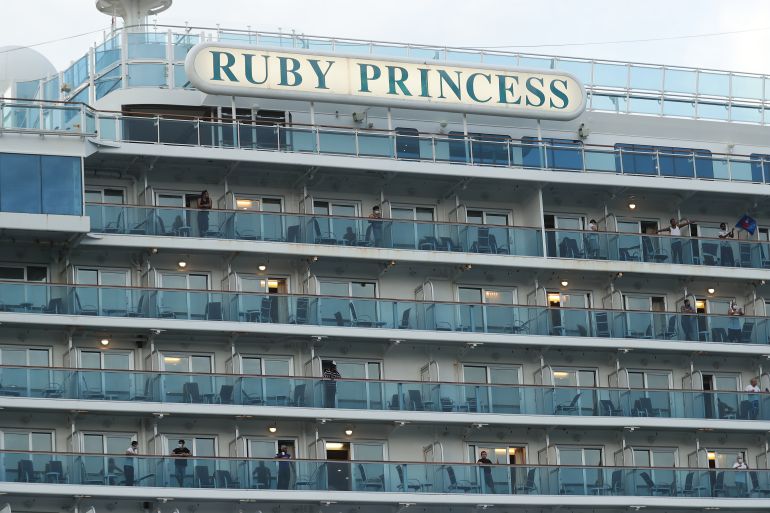
The US CDC reported a norovirus outbreak on the Ruby Princess cruise ship, affecting 102 passengers and 23 crew during a June-July voyage from San Francisco to Alaska and Canada.

The US Centers for Disease Control and Prevention (CDC) announced an outbreak of norovirus aboard the Ruby Princess cruise ship operated by Princess Cruises. The vessel embarked on a journey from San Francisco to Canada and Alaska, returning to its US port in early July.
According to data from the CDC’s Vessel Sanitation Program, 102 out of 3,032 passengers reported symptoms during the trip, representing 3.4% of passengers. Additionally, 23 crew members out of 1,144, or 2%, experienced similar symptoms. The reported illnesses primarily involved diarrhea and vomiting, with health authorities identifying norovirus as the causative agent.
The cruise began on June 12 and lasted until July 2. The Vessel Sanitation Program was notified of the outbreak on June 28, shortly before the ship’s return to San Francisco. The CDC clarified that the reported figures represent total cases recorded throughout the voyage, not necessarily simultaneous illnesses at arrival or departure.
The US authorities monitor gastrointestinal disease outbreaks on ships through a specific surveillance system. The CDC publishes outbreak data when the ship is part of the Vessel Sanitation Program, which covers voyages including US and foreign ports, and when 3% or more of passengers or crew report gastrointestinal symptoms.
Princess Cruises and the ship’s crew reported implementing several measures to limit infection spread. These included enhanced cleaning and disinfection following outbreak response protocols, collecting stool samples from symptomatic individuals for testing, isolating sick passengers and crew, and consulting with the Vessel Sanitation Program on hygiene and case reporting. The CDC also stated it is monitoring the situation remotely, reviewing the ship’s response and sanitation efforts.
The Associated Press reported a total of 125 infected individuals among passengers and crew. The outbreak did not affect all cases simultaneously; health authorities were informed before the ship’s arrival in San Francisco. The company confirmed that intensified cleaning procedures were applied and that the ship will undergo comprehensive sanitation before its next voyage.
Norovirus typically spreads through contaminated food or water, touching contaminated surfaces followed by hand-to-mouth contact, or close contact with infected persons. Its epidemiological concern lies in its rapid transmission and ease of spread, even when symptoms are relatively brief in most cases.
The virus causes acute gastroenteritis, with symptoms commonly including vomiting, diarrhea, and abdominal cramps. Nausea, headache, muscle pain, or mild fever may also occur. Most infected individuals recover within days, but risks increase for the elderly, young children, chronically ill, or immunocompromised, especially if vomiting and diarrhea cause dehydration.
The CDC defines acute gastroenteritis cases as having three or more loose stools within 24 hours or vomiting accompanied by symptoms such as diarrhea, muscle pain, headache, abdominal cramps, or fever. The agency emphasizes the importance of early symptom reporting to the ship’s medical center to facilitate rapid outbreak detection and containment.
Hand sanitizers alone are insufficient against norovirus. US guidelines stress thorough handwashing with soap and water as the most effective measure, noting that hand sanitizers do not work well against this virus. The CDC advises against preparing food or caring for others while ill and recommends careful cleaning and disinfection of contaminated surfaces.
Health authorities advise cruise passengers to wash hands before eating and after using the restroom, avoid sharing food or personal items with infected individuals, report any gastrointestinal symptoms to the ship’s medical center, and comply with temporary isolation if symptoms appear.
This outbreak coincides with heightened global attention to health events linked to cruise ships following a previous Andes virus-related hantavirus outbreak aboard the M/V Hondius. The World Health Organization reported that as of May 27, 2026, that outbreak resulted in 13 cases, including 3 deaths, with hundreds of contacts traced across multiple countries, though the global risk was assessed as low.
It is important to distinguish between the two viruses. Andes virus hantavirus involves different transmission mechanisms and clinical severity, often causing severe respiratory complications. In contrast, norovirus usually causes acute gastrointestinal illness that spreads rapidly but is generally less fatal in healthy individuals if dehydration is promptly treated and isolation and hygiene measures are applied.
Cruise ships provide environments conducive to gastrointestinal virus spread, not necessarily as infection sources but because they gather thousands of people in enclosed or semi-enclosed spaces. Passengers frequently interact, sharing dining areas, corridors, elevators, and public facilities.
The CDC notes that norovirus commonly appears in settings where people live or gather closely, such as cruise ships, camps, dormitories, nursing homes, and hotels, and is a frequent cause of acute diarrhea among travelers in confined spaces.