World
Ongoing Clashes in Taiz and Lahj as Human Attrition Mounts for Houthis
Military clashes continue across strategic fronts in Yemen's Taiz and Lahj governorates, with growing evidence of severe human and military attrition among Houthi forces.
Military clashes continue across several strategic fronts in the Yemeni governorates of Taiz and Lahj, amid escalating military pressure on Houthi positions.
Indicators have increased that the Houthis are suffering from human and military attrition, coinciding with their attempts to reorganize their deployment and reinforce their positions along confrontation axes, particularly on the West Coast and areas overlooking the Bab el-Mandeb Strait.
In Taiz Governorate, clashes are concentrated on the Sabr front, the Al-Aqroudh axis, and the Al-Dhabab front west of Taiz city, while operations extend towards the districts of Dhubab and Mocha on the West Coast.
These fronts represent a continuous geographical and military scope, where defensive and offensive considerations overlap with the importance of controlling highlands, roads, and supply lines.
Around Taiz city, clashes continue on the Al-Dhabab, Al-Aqroudh, and Sabr fronts, amidst military pressures and repeated attempts to breach government positions.
Repelling Houthi Gatherings
According to statements by Taiz Governor Nabil Al-Shamsan, the Houthis mobilized 60,000 fighters in an attempt to pressure the city and seize control of it, but government forces and popular resistance managed to repel the attacks and maintain their frontline positions.
The Al-Dhabab front holds special significance as one of the main western entrances to the city, while the Al-Aqroudh and Sabr fronts represent important axes in the equation of controlling the surrounding highlands and passages.
Despite the reinforcements pushed by the Houthis to these fronts, the continuation of clashes without achieving stable field progress reflects the magnitude of difficulties facing their attempts to change the map of control, placing their forces before an equation of continuous attrition on more than one axis.
In Lahj Governorate, clashes are concentrated in the Al-Mudharib district and areas surrounding Bab el-Mandeb, extending eastwards towards the Al-Muqatira district. This adds additional importance to this front given its connection to securing strategic passages and areas overlooking the West Coast.
Along the West Coast, contact lines have not witnessed wide and stable changes in the map of control since the launch of Operation "Dawn of Yemen," despite government forces, led primarily by the Southern Giants Brigades and Homeland Shield Forces, managing to control extensive sites and areas in the Kahboub mountain range, which overlooks the Bab el-Mandeb Strait and Mayoun Island.
In contrast, the Houthis attempted to execute flanking operations against government forces after failing to achieve direct breakthroughs in confrontation axes, targeting access to strategic sites in the Al-Mudharib district and securing their zones of influence along the coast by advancing towards the Al-Muqatira district to the east via the Hajja Al-Abd road.
Government forces stationed in those areas, supported by residents and warplanes, according to incoming field data, managed to recover lost positions and stabilize contact lines, limiting the Houthis' ability to translate flanking attempts into sustainable field gains.
This trajectory reveals that the confrontation on the West Coast is no longer limited to direct engagement but has come to include mutual attempts to influence supply lines, deployment, and control over vital highlands and passages.
Attrition Indicators
Data on obituaries and funeral processions witnessed in Houthi-controlled areas, alongside images of their dead published via social media platforms, indicate the fall of large numbers of fighters during recent clashes, especially with the escalation of air operations and targeting of military sites and gatherings.
Incoming data also indicates intensified airstrikes, with reports of high rates reaching approximately 100 strikes per day at certain periods.
Loss indicators are not limited to casualty numbers but extend to the nature of elements deployed to the fronts, as field information speaks of the Houthis relying on elements from police, traffic, and service sectors, including sanitation workers, to compensate for the shortage of fighters and reinforce their combat positions.
These losses reflect increasing pressures on the Houthis' recruitment and mobilization system and reveal expanding human needs due to the continuation of clashes on multiple fronts, leading them to resort to sending security elements and field commanders to participate in battles.
With the multiplicity of fronts and continued clashes, the Houthis were forced to distribute their forces and supplies across distant geographical axes, increasing human and logistical burdens.
As three months pass since the start of the Houthi escalation, clashes in Taiz and Lahj enter a phase characterized by multiple engagement axes and increasing military and human pressures on the Houthis.
Human losses, the declining pace of reinforcements on some axes, and resorting to reinforcing fronts with elements from security and service sectors emerge as indicators reflecting the magnitude of attrition suffered by the militia.
Latest news
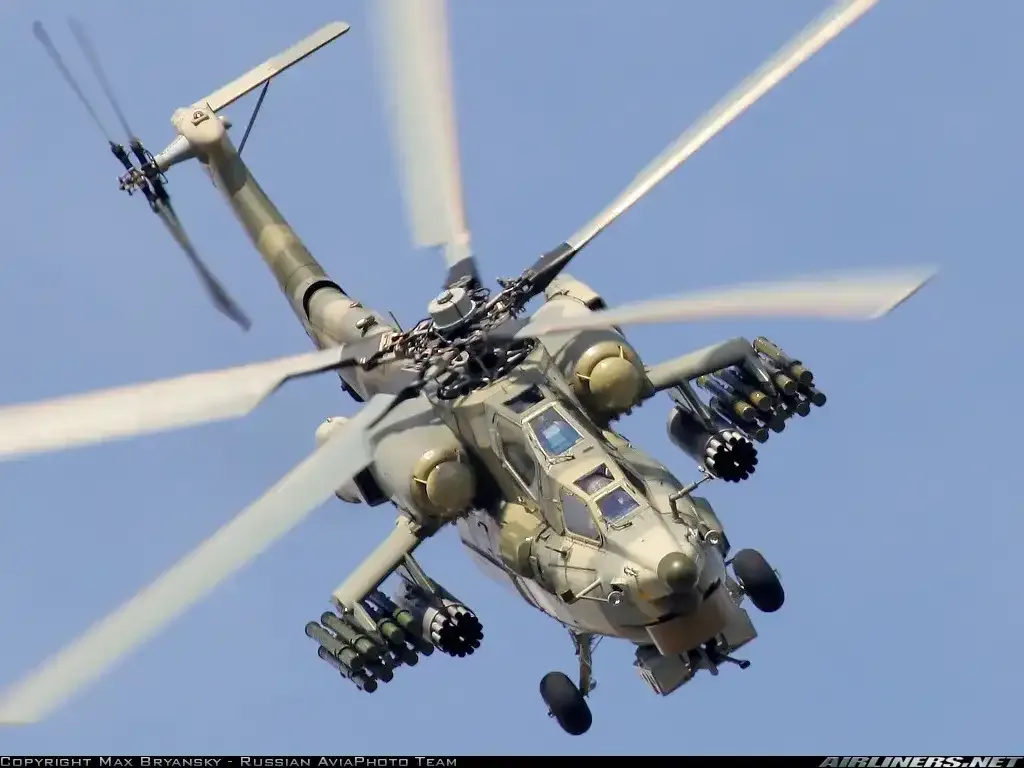
Amid Israeli Concern, Iran Seeks 'Russian Beast' Helicopters

Internal Security Forces Announce Traffic Measures Due to Events, Races and Road Works

After Threat of Disconnection... Civil Aviation Authority Reaches Agreement with Lebanon's Electricity Establishment