·
·


World
The US Central Command announced the conclusion of the seventh consecutive night of military strikes targeting Iranian sites, including infrastructure and naval capabilities.

The US Central Command declared early Saturday that American forces have completed the seventh consecutive night of strikes against Iran.
According to the Central Command, the latest wave of attacks began at 9:30 p.m. Eastern Time in the United States.
The US strikes targeted surveillance sites, military logistical infrastructure, underground weapons storage facilities, and naval capabilities.
During the operations, the US military employed fighter jets, drones, warships, and other military assets, though the nature of these additional assets was not specified.
The Central Command confirmed that, following orders from the commander-in-chief, the US continues to hold Iran accountable while enforcing a comprehensive naval blockade on Iranian ports.
It also noted that over 50,000 US troops are deployed throughout the Middle East, maintaining high alertness and combat readiness.
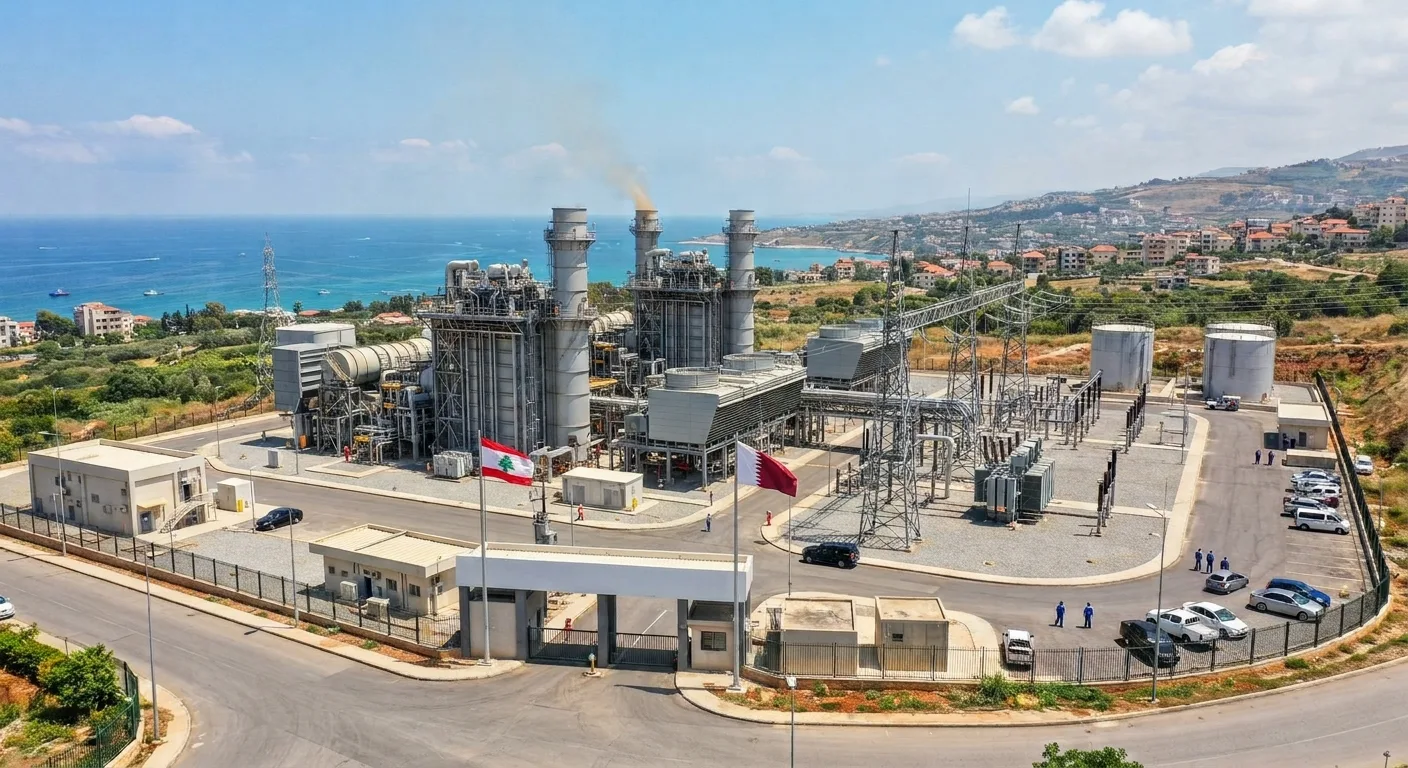
The US strikes included targeting bridges within Iran, and in response, Tehran attacked a power generation and water desalination plant in Kuwait on Friday.
Both sides face risks of further escalation by broadening the scope of targets to include infrastructure such as energy and oil facilities.
The renewed clashes have disrupted energy supplies from the Gulf once again, with US Marine forces boarding an oil tanker near the Strait of Hormuz.
Additionally, armed groups seized another vessel off Yemen, raising security concerns at the Bab al-Mandeb Strait, a key oil passage at the entrance to the Red Sea.
Iranian media cited the Revolutionary Guard reporting that two oil tankers exploded and caught fire after passing through a mined route south of the Strait of Hormuz.
The official television quoted the Revolutionary Guard stating that as long as US aggression continues, it will be impossible to export chemical fertilizers or even a single drop of oil and gas from the region.
On Friday, the Iranian Tasnim news agency reported that Revolutionary Guard naval forces targeted a ship flying the Thai flag attempting to cross the Strait of Hormuz, without providing further details.
Since the collapse of the ceasefire agreement last week, both sides have continued to test escalation limits, increasing the chances of sliding back into full-scale war.
US President Donald Trump threatened extensive air raids on Iranian infrastructure and did not rule out a ground assault on Iran’s coast or some of its islands.
US officials told Reuters that among the objectives of the attacks on southern Iran is to provide President Trump with more options.
However, such measures also risk provoking Iran to respond with similar escalations by targeting critical infrastructure in neighboring countries or encouraging its allied Houthi militia in Yemen to intensify disruptions of global energy supplies by attacking ships in the Red Sea.
On Friday, Mohsen Rezaei, adviser to Iran’s Supreme Leader and former senior commander in the Revolutionary Guard, warned against any US escalation or attempts to seize Iranian territory.
Rezaei told official television that if the US strikes continue for several more days, Iran will enter a phase of comprehensive offensive operations.