·
·


World
U.S. economic sanctions on Iran have intensified, targeting oil exports and evading penalties, significantly impacting Tehran's economy. Despite resistance, Iran faces mounting financial strain, with officials warning of potential military escalation.

High-level Iranian sources revealed that the U.S. campaign aimed at strangling Iran’s economy by restricting oil exports and halting evasion of sanctions has become "more severe" for Iran.
In recent weeks, Washington has escalated economic pressure on Tehran, seeking concessions in future negotiations after a six-month-long conflict failed to achieve this goal.
Sources said that although Iran’s clerical rulers have successfully circumvented sanctions for decades, the latest U.S. measures have placed them in a far more vulnerable position, leaving them with few channels to secure foreign currency or purchase goods.
They added that efforts to cut Iran off from international financing networks in other countries now pose a real and urgent threat, after Tehran long relied on such mechanisms to keep its economy running, according to Reuters.
Any sign that the economic campaign might succeed in breaking the months-long deadlock in the conflict would please U.S. policymakers. Yet Iran has warned it may respond to pressure with further military escalation, heightening risks during an extremely sensitive phase.
Declining gasoline reserves amid currency collapse
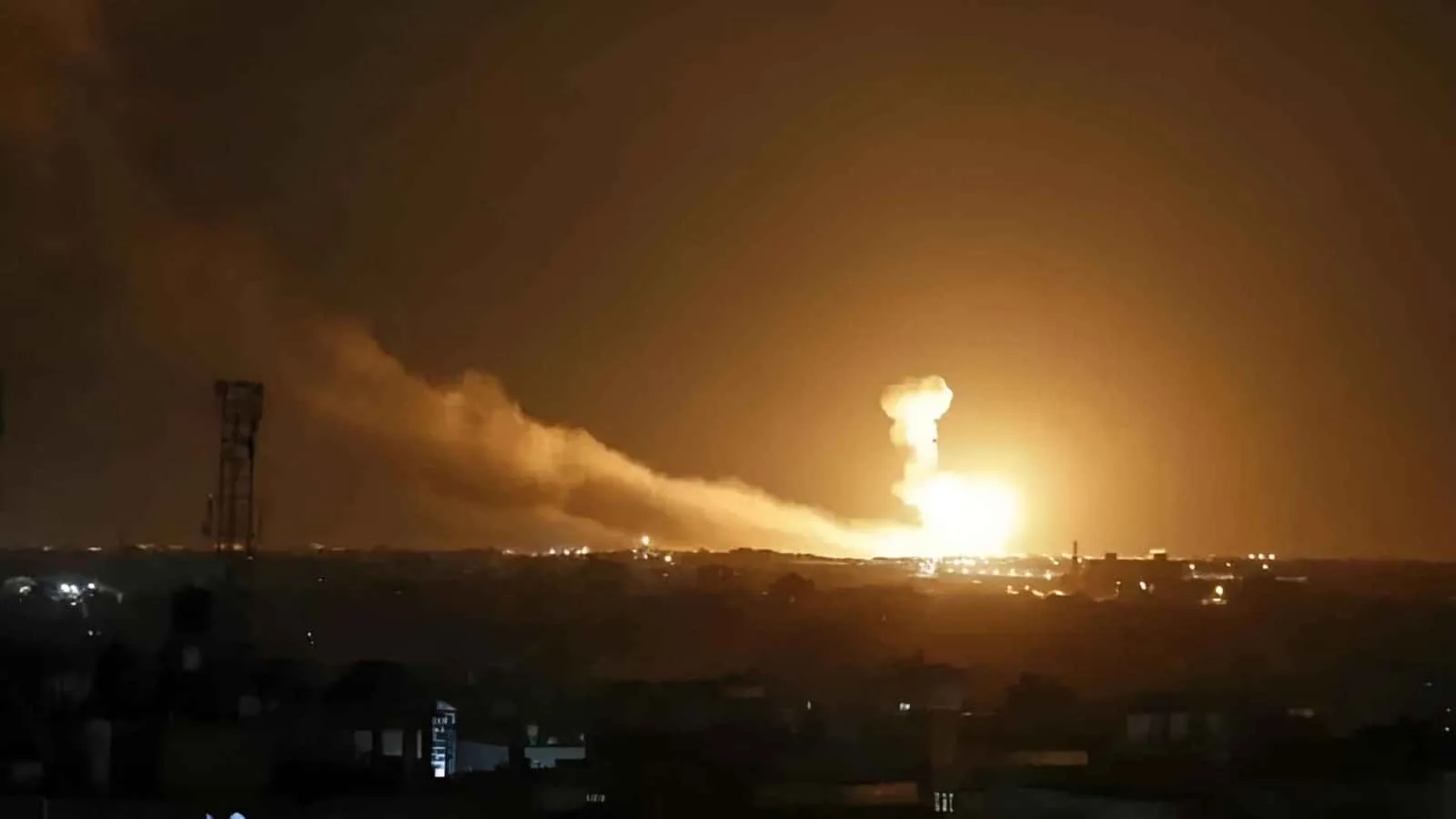
War erupted again in the form of open combat this week, as U.S. attacks along Iran’s Gulf coastline pushed Tehran to launch retaliatory strikes targeting American bases in Arab countries.
Neither side has shown willingness to make concessions demanded by the other, keeping the conflict in a costly stalemate—though early signs suggest this situation may be changing.
While larger volumes of energy continue flowing into global markets through the Strait of Hormuz despite ongoing Iranian attempts to disrupt navigation there, the U.S. blockade on Iranian oil exports has severed Tehran’s primary source of revenue.
Compounding Iran’s problems, the economy was already facing a deep crisis before the conflict, marked by currency collapse and soaring inflation. The months-long bombing campaign has added new burdens in the form of massive reconstruction bills for damaged industry and infrastructure.
At the same time, sources said financial pressures are undermining Tehran’s ability to evade sanctions, leaving less cash available to pay the high fees required for illicit workarounds.
The Iranian rial has fallen to unprecedented low levels in recent days. One Iranian source said the country now has only enough gasoline reserves to last two additional months, requiring imports despite domestic oil production due to limited refining capacity.
Iranian leaders fully understand the dangers of an economic collapse and the risk of renewed widespread protests that swept the country in January, which authorities suppressed by killing thousands of demonstrators.
Ali Ansari, professor of modern history at the University of St Andrews in Scotland, said: "Iran is under extreme economic pressure. It is losing control of the strait. The real question is whether it will choose to negotiate, and I believe it will find itself forced to do so."
The war has entered a new phase, as each side seeks to influence the other’s domestic politics.
A senior Iranian official said Iran hopes to deter U.S. administration from inflationary risks before the November midterm elections, while Washington aims to push Iranians toward revolution.
Sanctions and secondary sanctions tighten the noose around Tehran
Recently, the United States expanded the scope of secondary sanctions on countries trading with Iran, aiming to deprive it of using the dollar to settle oil sales and finance vital imports of goods and raw materials.
Three major sources said these efforts have made existing Iranian evasion networks—such as front companies, unregistered tankers, and smuggling—extremely costly, making them difficult to use.
Data from Kepler shows Iranian crude oil shipments dropped this month to about 260,000 barrels per day, down from around 1.7 million barrels per day a year ago. Only limited quantities now leave Iranian ports, transported via trucks, trains, or small boats across the Caspian Sea.
One source said Tehran claims it still holds tens of millions of barrels stored in tankers outside the blockade zone that could be sold, but new sanctions may push intermediaries to back away or demand higher prices.
Iranian President Masoud Pezeshkian said total trade volume has declined between 25% and 35%, with imports suffering more than exports. Pezeshkian is one of several senior officials who have warned in recent weeks of Iran’s rapidly deteriorating situation.
A Tehran-based Iranian trader involved in imported goods said: "If these channels remain closed, suppliers will demand cash payments, requiring transactions to go through another country, thus delaying shipments and increasing costs."
The value of the rial has dropped from around one million rials per dollar a year ago to over 2.2 million rials today.
The economic crisis is strongly affecting living conditions. Official data show average inflation over the past twelve months reached 69.9%, with food, beverages, and tobacco prices rising at nearly double that rate.
The official unemployment rate rose to 9.1% in the spring, while the number of employed people fell by about 450,000 compared to the previous year, amid a broader decline in labor force participation.
Even for those still working, the average monthly salary of around $125 is nowhere near sufficient to cover basic family expenses, estimated at about $450 per month according to official figures.
Mehnaz, a 34-year-old private-sector employee who requested her surname not be used, said: "We are getting poorer day by day."