·
·


Culture & Society
Research links excessive social media use with declining mental well-being, especially among youth in Western countries, urging users to limit screen time.

Endless scrolling through social media apps, often referred to as "Doomscrolling," has become a daily exhausting habit for many users. What usually begins as a brief five-minute activity can extend into hours, leaving individuals feeling mentally worse than before they opened their phones.
This sensation is no longer just a personal impression but is supported by scientific research. The World Happiness Report, published by the Wellbeing Research Centre at Oxford University, revealed a clear connection between excessive social media use and a decline in psychological well-being, particularly among young people and women in Western nations.
Researcher Michael Plant explained, as reported by the BBC, that moderate social media use can benefit social interaction; however, he warned that spending increasing amounts of time on these platforms is directly associated with deteriorating mental health.

The report highlights a noticeable drop in satisfaction and happiness levels among individuals under 25 in countries such as the United States, Canada, Australia, and the United Kingdom over the past decade, coinciding with the widespread adoption of social media platforms.
Plant admitted initial skepticism about the impact of these applications but acknowledged that accumulating evidence made ignoring the issue difficult. While smoking and alcohol consumption rates have declined among newer generations, social media has emerged as a new form of addiction, especially since these platforms are designed to keep users engaged for as long as possible.
Multiple studies have demonstrated that addiction to continuous browsing and exposure to negative content increases stress, anxiety, and negative emotions among young people.
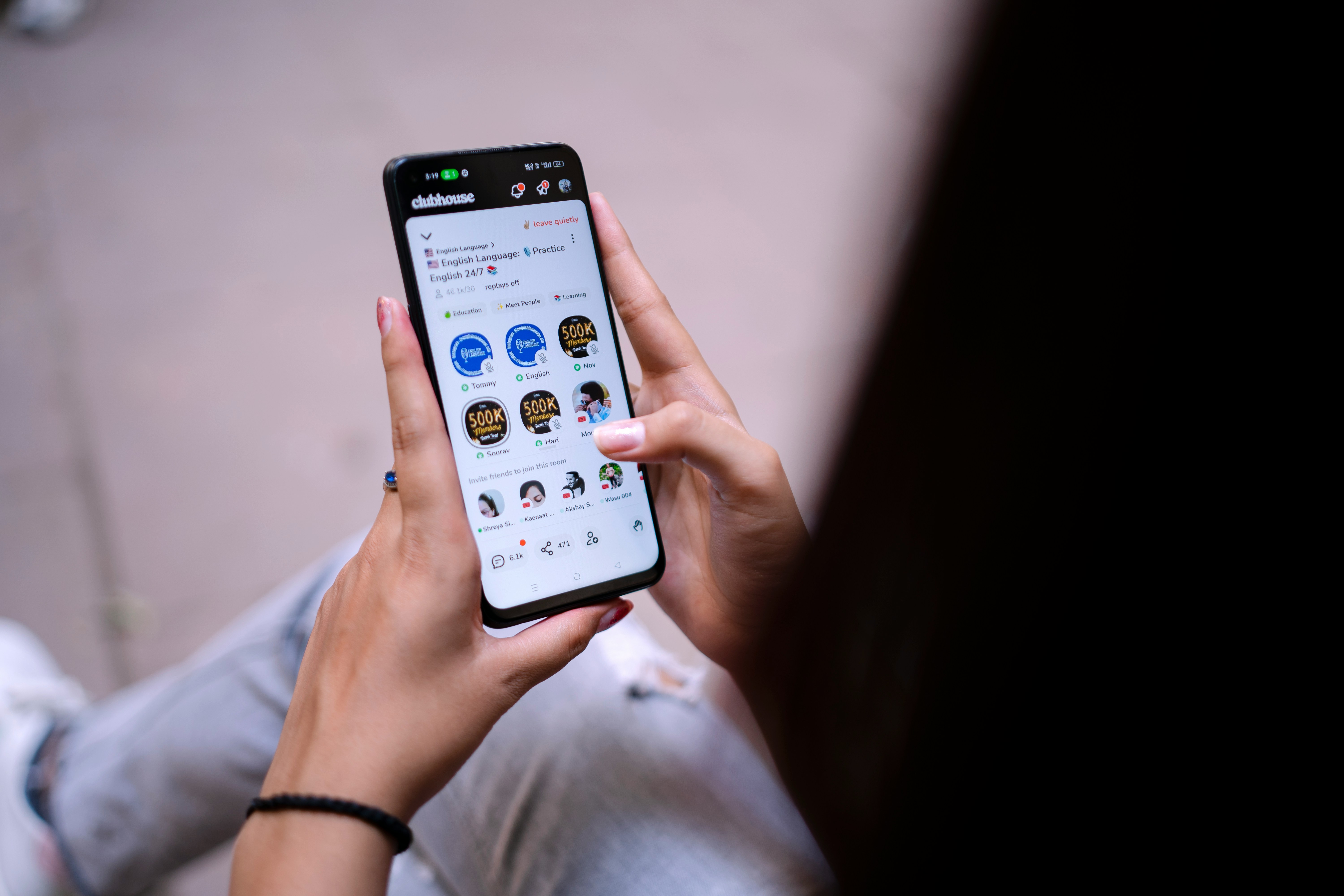
Content creator Sydney Groz, active on TikTok since 2021, noted the contradictory nature of social media. Although she enjoys her work, she admitted that a single negative comment can affect her more than hundreds of positive ones.
The report clearly states that social media is not disappearing soon, and neither governments nor the companies owning these platforms are expected to intervene to protect adult users from overuse. This places the responsibility on individuals themselves.
Experts recommend using built-in screen time management tools available on Android and iOS systems to reduce browsing hours. They also suggest that someone else should hold the password to override time limits to prevent easy disabling of these controls.

Additionally, some simple phones known as "Minimalist" phones are gaining attention for limiting access to addictive applications.
Ultimately, the most crucial step is acknowledging the real problem of browsing addiction and taking practical measures to restore balance away from the endless scrolling cycle.