·
·


Health
Black currant seed oil, rich in fatty acids, is being studied for its potential to improve skin hydration and reduce inflammation in eczema cases.

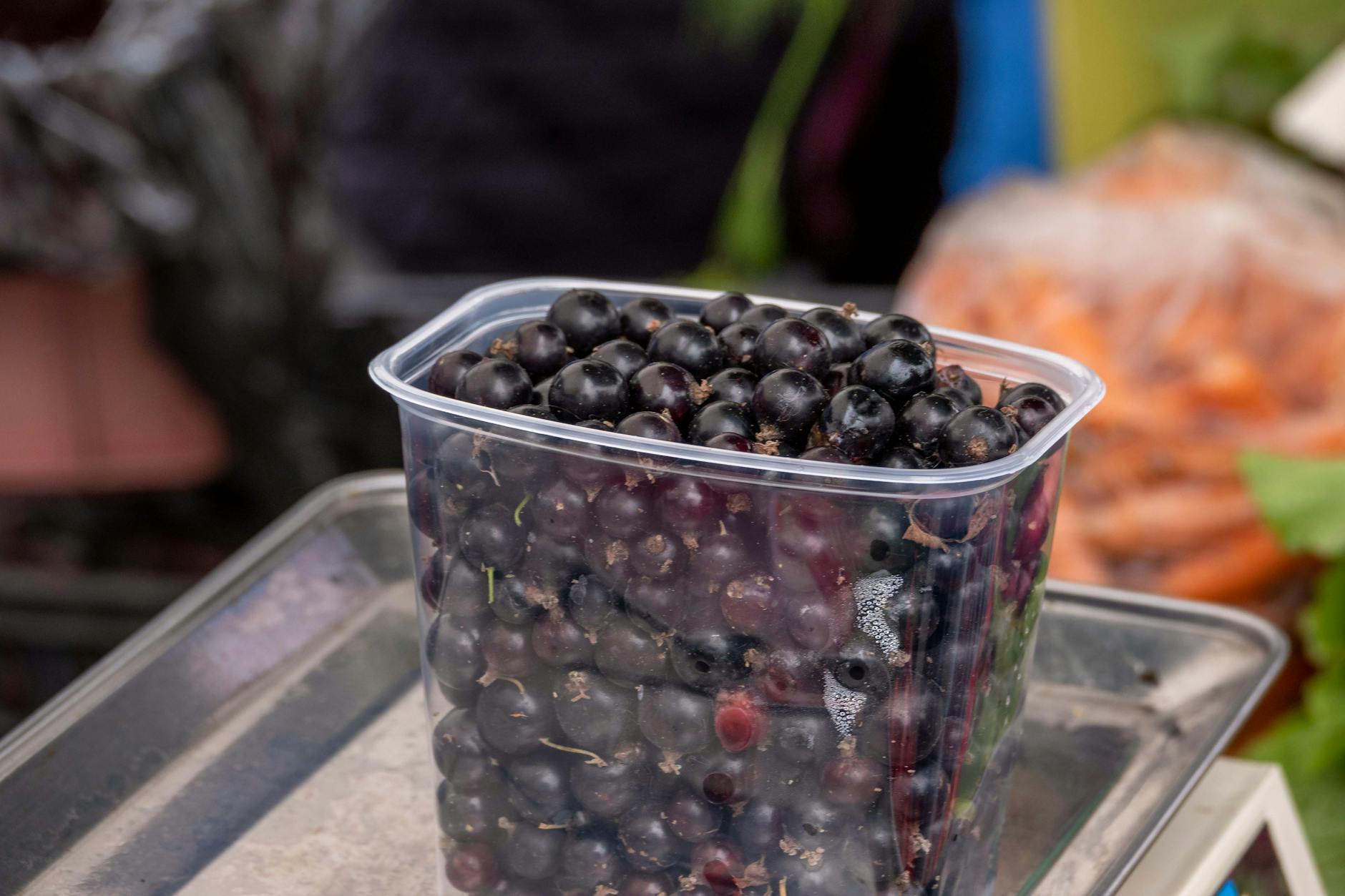
At first glance, black currant appears as a small dark berry with a sweet and sour taste. However, beneath its deep purple color lies a rich chemical composition that has attracted growing attention in nutrition, health, pharmaceutical, and cosmetic fields.
Extracted from the plant scientifically named Ribes nigrum L, black currant seed oil originates from a species native to Central Europe and Northern Asia. This plant belongs to the berry family, with seeds found inside fruits that can be consumed fresh or cooked.
Black currant fruits are notable for their high content of phenolic acids, organic acids, polyunsaturated fatty acids, and polyphenolic compounds, particularly anthocyanins. These compounds provide the berry's dark color and contribute antioxidant, anti-inflammatory, and antibacterial properties. Research also links them to reducing risks of certain cardiovascular diseases.
Although studies on black currant's health effects remain relatively limited, its rich composition has earned it a special place in medical research, especially regarding skin health and chronic inflammation.
Black currant seed oil is among the richest natural sources of fatty acids, with approximately 88.6% content. It displays a notable nutritional balance between omega-6 and omega-3 fatty acids, with a ratio of about 3.3.
The oil contains several key fatty acids, including linolenic acid, gamma-linolenic acid, alpha-linolenic acid, stearidonic acid, oleic acid, and palmitic acid. It also includes other compounds such as tocotrienols and phytosterols.
This composition has led to the use of black currant seed oil in cosmetic and pharmaceutical industries and encouraged researchers to explore its potential as a promising option for addressing skin issues, particularly eczema.
Atopic dermatitis, commonly known as atopic eczema, is a chronic allergic skin condition characterized by skin irritation, inflamed and reddened patches, often accompanied by severe itching that worsens at night. It can cause skin pain, sleep disturbances, and ongoing anxiety for affected individuals.
Approximately 80% of eczema cases appear during childhood. Globally, eczema prevalence among children ranges from 2.7% to 20%, while among adults it ranges from 2% to 10%.
The disease does not have a single clear cause; instead, immune, environmental, and genetic factors interact in its development. Data indicate that if one parent has eczema, the child's risk rises to about 40%, increasing to 80% if both parents are affected.
While the exact mechanism behind atopic dermatitis remains incompletely understood, studies suggest that immune system dysfunction and systemic inflammation may exacerbate symptoms.
Despite medical advancements, treatment options for eczema remain limited. Patient responses vary, and some medications may cause side effects or be unsuitable for certain cases.
The primary treatment usually involves topical corticosteroid preparations, commonly known as cortisone. Although effective in controlling inflammation, prolonged use may be linked to side effects, and some patients’ responsiveness may diminish over time.
Consequently, some patients seek safer natural alternatives for long-term use, hoping to alleviate symptoms or reduce reliance on conventional treatments. However, any alternative should not replace medical therapy without physician consultation.
One main hypothesis explaining eczema involves a defect in the skin barrier caused by deficiencies in certain fatty acids and ceramides, which are essential for maintaining skin moisture and resisting external factors.
Eczema patients typically experience increased water loss through the outer skin layer, leading to dryness, itching, and inflammation. Continuous moisturizing with products containing fatty acids similar to those naturally present in the skin may help support the skin barrier and reduce dryness.
Black currant seed oil has attracted interest due to its fatty acid content, which may improve skin hydration and decrease inflammation. Both oral supplements and topical oils rich in these fatty acids have been tested in various studies to assess their potential effects on eczema.
Animal studies have shown promising signs, but clinical evidence in humans still requires further research before confirming the oil as a definitive treatment.
A notable study on black currant seed oil was a randomized, double-blind, placebo-controlled trial conducted by researchers at the University of Turku in Finland, published in 2010 in the journal Clinical & Experimental Allergy.
The study evaluated the effect of black currant seed oil supplements in preventing atopic inflammation in children up to two years old. It involved 313 pregnant women randomly assigned to two groups: 151 received black currant seed oil, and 162 received olive oil as a placebo comparator.
Participants took 3 grams daily between the 8th and 16th weeks of pregnancy, continuing until the end of exclusive breastfeeding. After birth, children received the same oil as their mothers in 1 milliliter daily drops until 24 months of age.
Blood and skin tests were performed on the children at 3, 12, and 24 months. At 12 months, eczema prevalence was significantly lower in the black currant seed oil group (33%) compared to the olive oil group (47.3%).
However, by 24 months, differences between groups disappeared. Notably, 81.7% of parents had atopic or allergic inflammation, indicating a high genetic predisposition among the children.
Researchers suggested the diminished effect at 24 months might relate to dietary changes introducing new foods, potentially affecting fatty acid balance linked to atopic inflammation, such as the omega-3 to omega-6 ratio.
They concluded that black currant seed oil might serve as a temporary preventive measure during early life stages but should not be considered a definitive or permanent eczema treatment.
In a different research approach, Polish scientists led by Urszula Stachewicz explored the moisturizing properties of black currant seed oil, especially its gamma-linolenic acid content ranging from 11% to 19%.
Published in 2022 in the Chemical Engineering Journal, the team developed skin patches made from polyimide membranes using electrospinning technology, which produces fine nanofibers characterized by high porosity and flexibility.
They incorporated 10 microliters of black currant seed oil into these patches to enhance moisturizing ability, then applied them to healthy skin for six hours. Results showed effective skin hydration, prompting recommendations for further trials on individuals with atopic dermatitis.
Two years later, the same research group published new findings in ACS Applied Materials & Interfaces. This study used polyimide nanofiber patches coated with cholesterol particles and black currant seed oil to assess effects on atopic dermatitis.
Results indicated that black currant seed oil was more effective when delivered through these patches than when applied directly to the skin. The cholesterol particles embedded in the nanofibers delayed the oil’s full release.
This gradual release extended skin hydration for up to six hours, improved water retention, and reduced water loss. The patches also decreased inflammation markers and promoted healing in mice with atopic dermatitis, alleviating associated symptoms.
These findings open possibilities for further research to evaluate manufacturing and future use of such patches as a long-term option for managing eczema. However, broader human studies are necessary before medical adoption.
Black currant seed oil appears to be a promising natural ingredient in skin care due to its richness in fatty acids and anti-inflammatory and antioxidant compounds. Preliminary studies through oral supplements and skin patches grant it a status worthy of scientific follow-up.
Nevertheless, caution remains essential. Current evidence is insufficient to regard black currant seed oil as a proven eczema treatment. It may support skin hydration and reduce some inflammation markers, especially during certain stages or via advanced delivery methods.
Thus, although black currant is a small fruit, it raises an important question in dermatology: can scientifically understood and carefully used natural products offer eczema patients gentler and longer-lasting alternatives?