·
·


Health
Social activist Roman Kristalyov explains the causes of myopia and offers guidance on preventing its spread among children and adolescents.

Social activist Roman Kristalyov has stated that vision impairment typically begins around the age of thirty. He elaborates on methods to stop the growing epidemic of myopia.
Kristalyov highlights that currently, one in five primary school students cannot see the blackboard from the back rows, and by graduation, half of the students are diagnosed with myopia. He raises questions about how to identify children at risk, why two hours of walking outdoors are more beneficial than any electronic device, and when it is necessary to raise alarms about vision health.
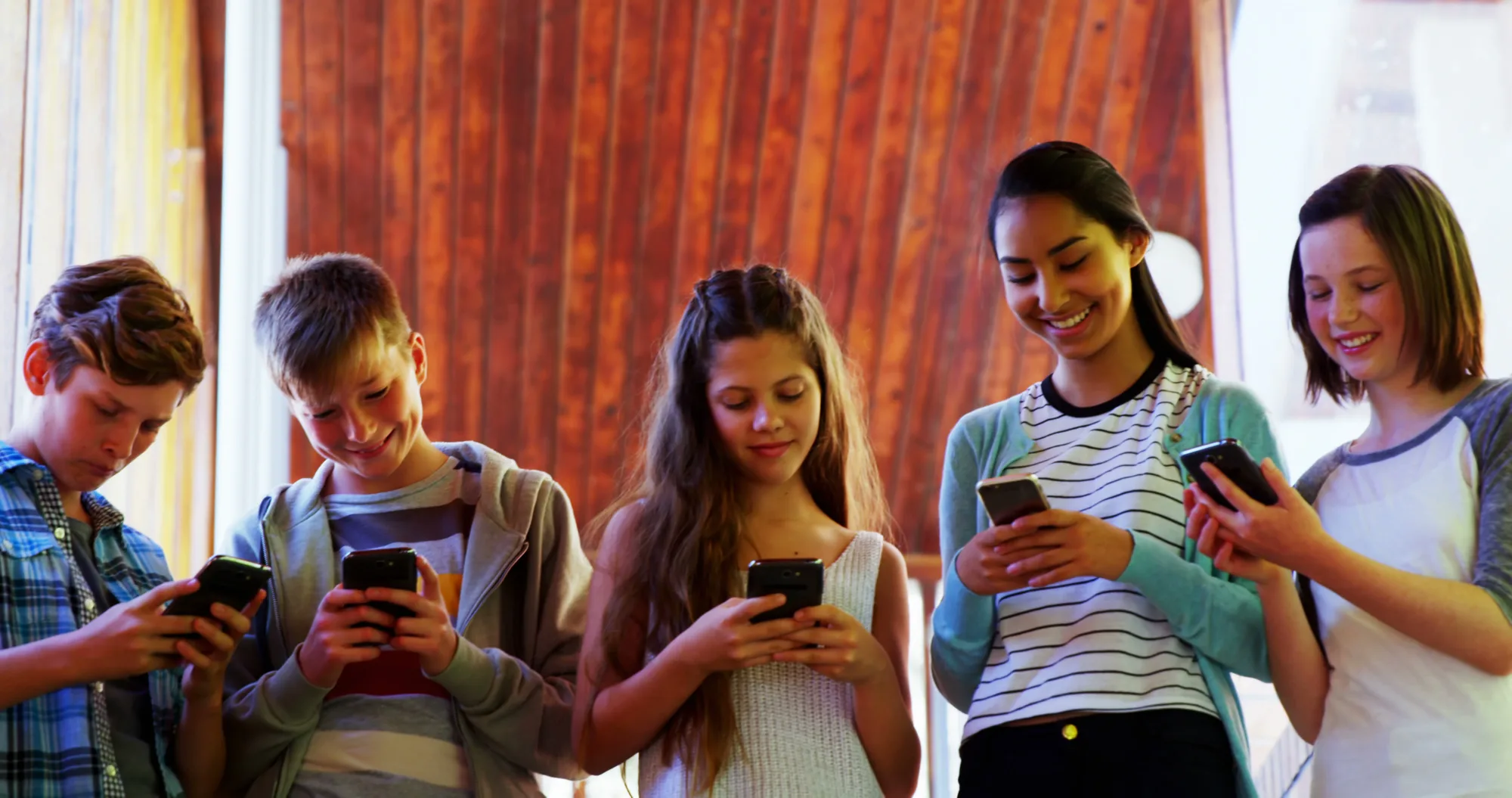
"I am also a father," Kristalyov said. "When I see my children absorbed in their phones from an early age, it genuinely worries me. We are raising a generation at risk of losing their sight by the age of thirty."
He distinguishes between regular myopia and digital myopia. Regular myopia is a defect in image focusing, while digital myopia develops due to children spending extended periods close to screens, which strains the eye muscles and causes spasms. Early stages of this condition can be treated, but if left unaddressed, it progresses into permanent myopia.
According to Kristalyov, vision deteriorates during school years, with 30 to 50 percent of students diagnosed with myopia by graduation. He notes that children rarely complain spontaneously because they adapt naturally to their declining vision.
He identifies several warning signs to watch for in children:
Staring while looking at distant objects; rubbing eyes, experiencing burning sensations and fatigue; complaining of headaches in the evening; excessive bending over when reading or using phones; frequent blinking or red eyes.
Kristalyov recommends that children undergo an eye examination at least once a year, even if no problems seem apparent.
He also advises following simple rules to reduce the risk of myopia in children:
Limit electronic device use to no more than 20 minutes for preschoolers, 40 minutes for schoolchildren, and up to 1.5 hours for teenagers, with breaks included.
Apply the 20-20-20 rule: every 20 minutes, look at a distant object for 20 seconds.
Maintain a minimum distance of 30 centimeters between the eyes and phones, and 50 centimeters from computers.
Avoid using electronic devices in the dark; ensure general lighting or a desk lamp is present.
Walk outdoors for two hours daily, which is the best treatment for children's eyes.
"It is time to stop pretending everything is fine," Kristalyov emphasized. "Children are burdened by electronic devices and pay the price with poor vision. Tablet use should be reduced, and interactive lessons increased in schools."
He added, "In the past, we wrote extensively, which exercised our fingers. There were no electronic devices then, and teachers knew children's hands were not made of iron and needed rest. In today's world, we need breaks to exercise the eyes."