Lebanon
Health Minister Inspects Serum Lab in Baalbek and Supports Local Pharmaceutical Industry
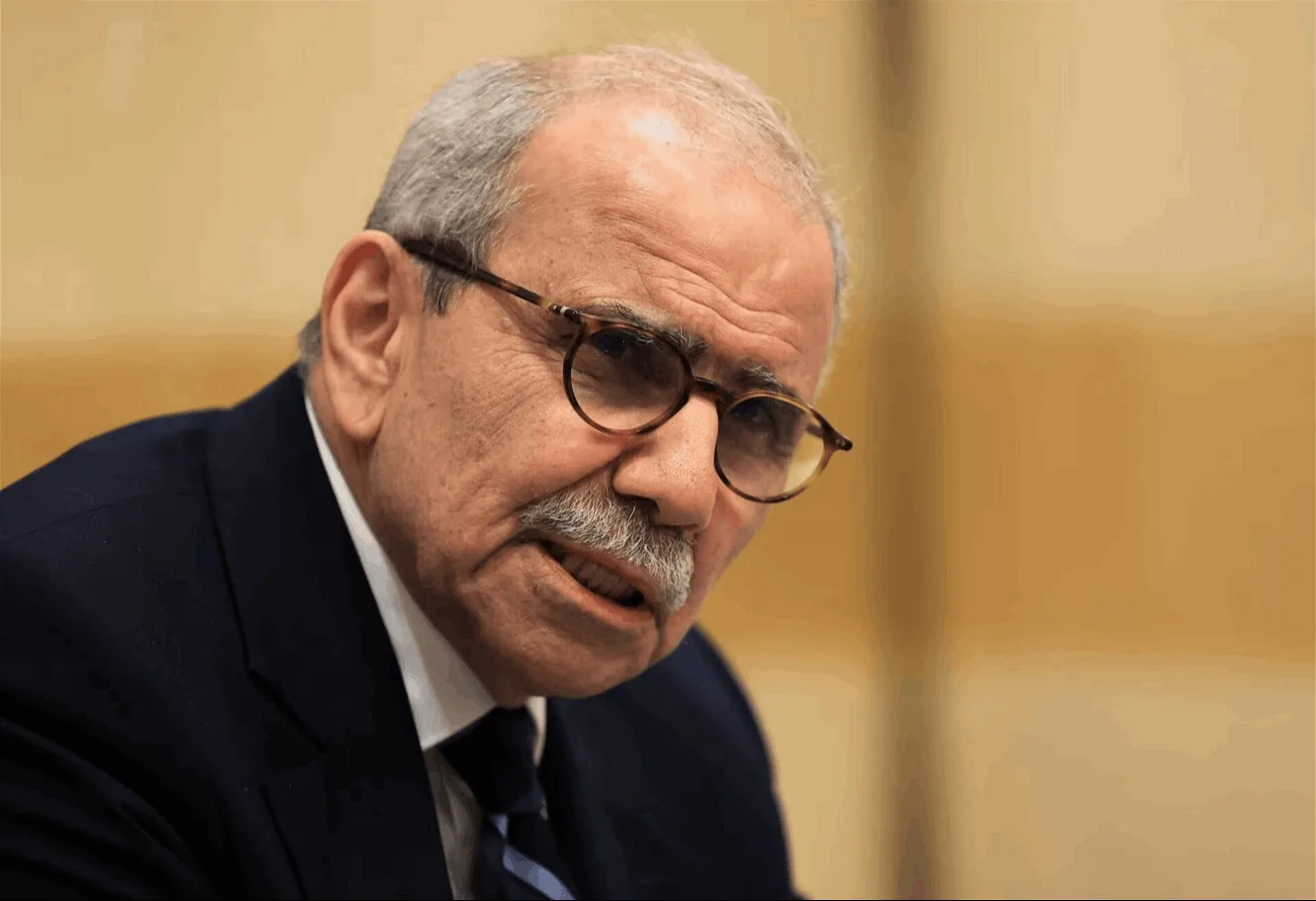
Lebanese Health Minister Rakan Nasreddine visited the Serum & Solutions facility in Baalbek, emphasizing support for local pharmaceutical manufacturing and announcing reforms to improve pricing mechanisms.

Minister of Public Health, Rakan Nasreddine, visited the "Serum & Solutions" laboratory for producing medical serums, located in the plain of Sarain-Baalbek. He inspected the activities of the institution operating in the health and pharmaceutical sector, aiming to enhance cooperation between the public and private sectors to encourage industrial initiatives that focus on developing and supporting the sector.
After touring the production departments and reviewing workflow, Nasreddine affirmed the priority of supporting Lebanese pharmaceutical industry and protecting it, given its role as a pillar in supporting health and economic security amidst difficult economic and financial conditions, as well as its ability to compete and export to local and foreign markets.
Nasreddine praised the resilience of Lebanese pharmaceutical factories and their continued operation despite living pressures and rising prices, stressing that the Ministry of Health is committed to supporting this vital sector, which constitutes a fundamental pillar of health and economic security in Lebanon.
He stated that "reviewing the nature of manufacturing, production quality, and investment volume in the factory confirms the importance of standing alongside national pharmaceutical industry, not only through legislation but also by practical application, and taking necessary measures to protect Lebanese products and support their competitiveness and export capacity."
Regarding serum pricing, the Health Minister indicated reaching a logical formula to improve the pricing mechanism in Lebanon, achieving balance between maintaining the absorptive capacity of the hospital sector, avoiding excessive burdens on citizens, and considering the financial capabilities of national factories.
He noted that the factory in Sarain employs more than 120 staff, reflecting its economic and social importance in the region, affirming that "the goal is not to confront factories or cause any closures due to financial pressures, but to maintain the continuity of this promising sector and develop it."
He added that the Lebanese pharmaceutical industry demonstrates growing presence, participates in global conferences, and enjoys a good reputation, opening wide horizons for growth and expansion into foreign markets.
Nasreddine concluded by confirming that reform steps being undertaken by the Ministry of Public Health, particularly establishing the central laboratory and forming the National Drug Agency, will constitute an additional lever for developing the pharmaceutical sector in Lebanon, enhancing its production and regulatory capacities, positively impacting drug quality and patient safety.
Nasreddine watched a video documenting pharmaceutical production methods according to modern scientific techniques.
At the end of the tour, Nasreddine planted a cedar tree in the factory courtyard as a token of loyalty and appreciation for the quality of Lebanese industry and pride in it.
Latest news

17 Cases of Food Poisoning in Halba Due to Éclair Pastries

South Lebanon Water Authority Responds to Electricity Company: Paid 1.775 Billion LBP, Awaiting Compensation for Exemptions
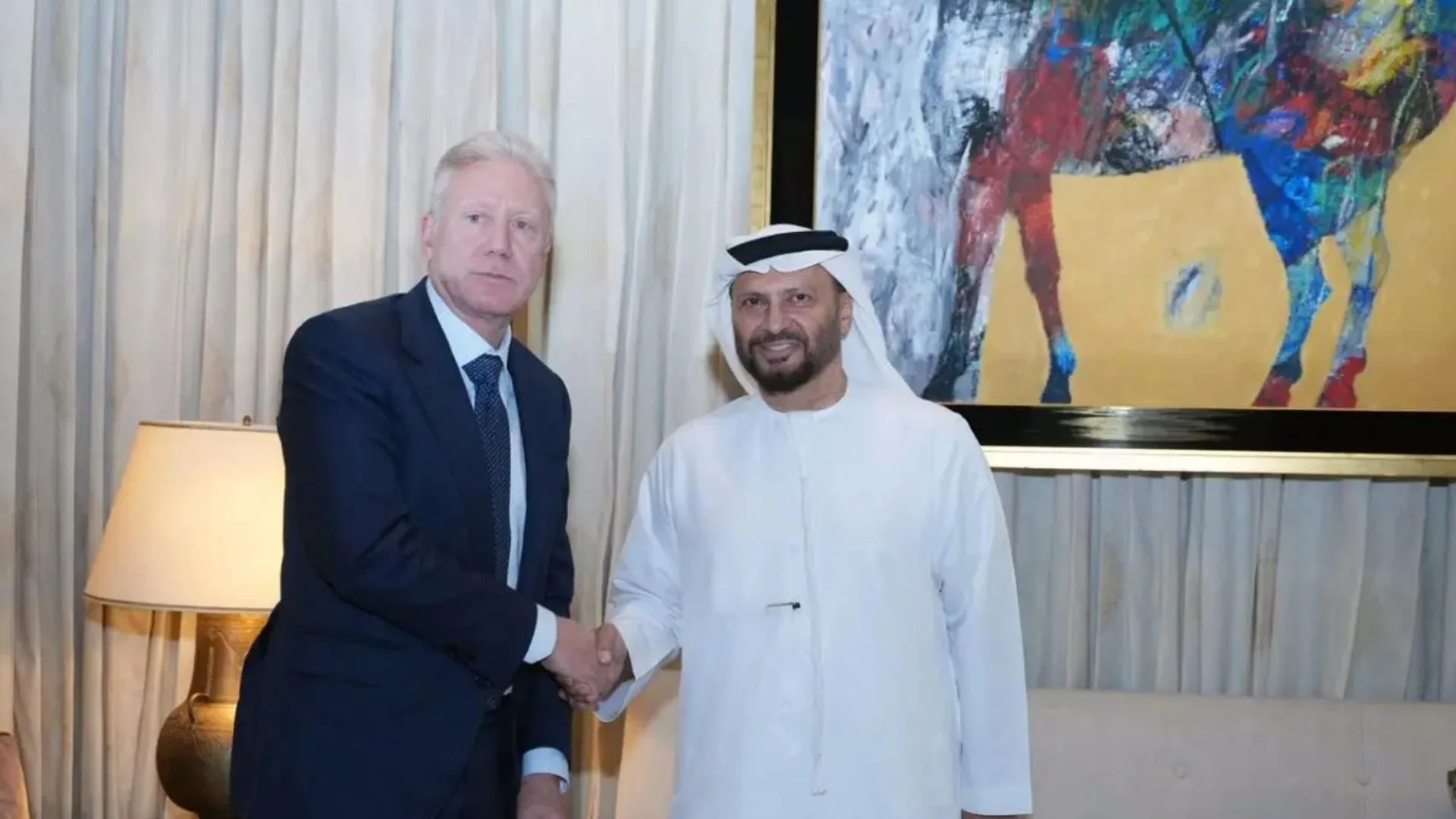
Raji Meets Qarqash on the Sidelines of Manama Dialogue and Reviews Situation in Lebanon