Lebanon
Israeli Army Encircles Dozens of Hezbollah Fighters in Underground Facility
The Israeli military has surrounded dozens of Hezbollah militants inside a vast underground complex in southern Lebanon’s Ali Al-Taher hills, imposing a siege that limits their options.

In southern Lebanon, the Israeli army has encircled dozens of Hezbollah fighters confined within an extensive underground network of tunnels and fortifications located in the Ali Al-Taher hills. The siege restricts the militants to a narrow set of choices: to fight, surrender, or await a political development that could alter their fate.
According to a report by The New York Times, thousands of Israeli troops are surrounding one of Hezbollah’s largest military sites in southern Lebanon, situated beneath the strategic Ali Al-Taher ridge near the town of Kafr Tebnit.
The Israeli military believes that the fighters trapped inside the complex are increasingly facing shortages of food and water as military operations continue, with no access to enter or exit the location.
Officials cited by The New York Times described the intense clashes around the hills in recent days as indicative of the site’s exceptional importance to Hezbollah. It serves as one of the group’s primary command and operational centers in southern Lebanon.
The underground facility houses headquarters linked to Hezbollah’s “Badr” unit, a prominent combat formation active on the southern front. The tunnel network in the area was constructed over more than twenty years with Iranian support and expertise.
The Ali Al-Taher complex overlooks large areas of southern Lebanon, including the city of Nabatieh, granting it substantial military and intelligence value. It also provides significant protection for fighters, weapons, and command centers.
However, this advantage has turned into a predicament as dozens of militants are now trapped within the tunnel system following the Israeli forces’ tightening of the siege on the hills. This is accompanied by ongoing bombardments targeting the entrances and surrounding infrastructure.
The New York Times reports that Israel views gaining control over this complex as a strategic objective that goes beyond immediate battlefield gains. The site represents a critical symbol of Hezbollah’s military infrastructure north of the Litani River, operating beyond the oversight of United Nations forces and Lebanese security measures.
The Israeli army does not rule out the possibility that some of the besieged fighters may surrender if the siege continues, especially as supplies dwindle inside the complex. Meanwhile, others hope that political pressure or new regional agreements might halt the operations before the battle concludes.
The newspaper draws parallels between the current situation and the experience of Hamas fighters trapped in Gaza’s tunnel networks in recent months. Hundreds found themselves encircled behind Israeli lines following ceasefire agreements, resulting in some surrendering and others being killed.
Latest news
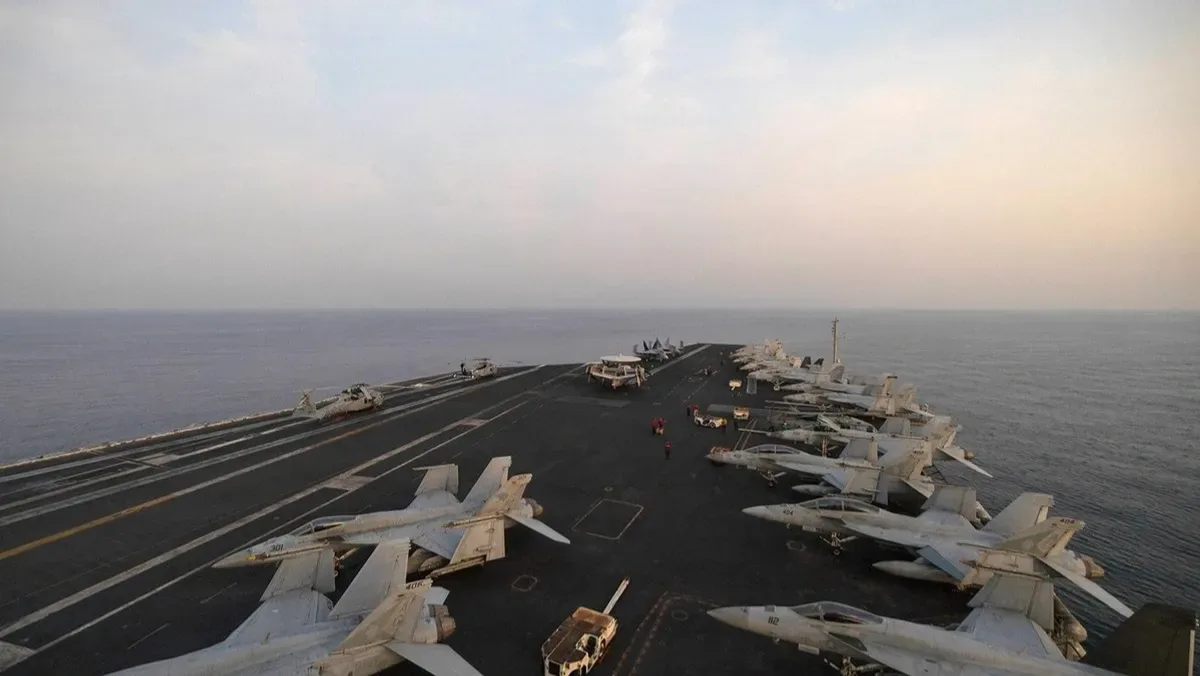
CENTCOM: USS George H.W. Bush Continues Supporting Military Operations in the Middle East

Trump Considers Firing White House Chief of Staff

Florida Woman Arrested for Holding Lost Dog Teddy for $1,000 Ransom