

Lebanon
Ministry of Education Clarifies Details of Regulatory Decision 1513 on Public Schools and Secondary Schools
The Ministry of Education and Higher Education issued a clarifying statement regarding Regulatory Decision 1513/M/2026, addressing misconceptions about public school operations.

The Ministry of Education and Higher Education issued a clarifying statement regarding Regulatory Decision 1513/M/2026 concerning the organization of work within public schools and secondary schools. It stated:
"In light of the reactions that accompanied the issuance of the decision, the Ministry wishes to clarify a number of fallacies in reading the decision and attributing incorrect interpretations to it.
The Ministry confirms that the recent regulatory decision was based exclusively on the internal regulations of public schools and secondary schools, not on previous customs or practices. Based on the data and information entered by principals in the designated program, and starting from current educational necessities that required amendments to several articles in the aforementioned regulations to suit exceptional circumstances and the needs of each school or secondary school, the Ministry wishes to clarify the following:
First: Regarding the introduction of a third cycle in secondary schools
To ensure the regularity of educational work within schools and secondary schools, the decision came not to approve the introduction of a third cycle in secondary schools that submit requests in this regard for the current academic year 2026/2027, while the previous situation remains unchanged without modification for this year.
Second: The issue of class branching and classroom criteria
While the internal regulation of public secondary schools stipulated adopting a criterion of (40) students per class to exceed the permitted limit and establish branching, the Minister's decision stipulated adopting a ceiling of (32) students as a criterion for branching, in response to the proposal from the Education Union and secondary school principals.
Third: The issue of struggling classes
The decision included the possibility of exception regarding classes or sections considered struggling, where the number of their students falls below the legal minimum (ten students for the kindergarten stage, the third cycle, and the secondary stage, and fifteen students for the first and second cycles), taking into account geographical, security, and social conditions and the availability of neighboring alternative schools or secondary schools.
Fourth: On the calculation of the number of supervisors
The calculation of supervision hours in public secondary schools by adopting one supervisor for every (125) students instead of (150) is not targeting one educational sector at the expense of another or diminishing its status; rather, it was adopted in accordance with Internal Regulation No. 590/1974 for public secondary schools and the curriculum reference framework after introducing flexible amendments to the number of supervision sessions compared to the number of students. The decision also added the possibility of increasing (15) fifteen supervision hours and adjusting them to suit the geometric shape of the school building and the needs of several secondary schools attracting students, as required for the smooth running of administrative and educational work.
Fifth: Taking exceptional circumstances into account
The Minister's decision did not overlook – in addressing the mentioned issues of supervision, branching, and struggling classes – stipulating the consideration of certain and exceptional circumstances through justified reasons proposed by school and secondary school administrations and the relevant directorates (such as the difficult situations of inclusive schools that adopt developmental programs, projects, and activities, and attract students, or are located in unsafe areas or under occupation).
Accordingly, the Ministry of Education and Higher Education confirms its constant concern for preserving the supreme educational and national interest of official primary and secondary education, while respecting the specificity of each stage, ensuring the smooth running of work in public schools and secondary schools, and integrating with educational bodies and partnering with education unions based on educational foundations and mutual trust, away from negative positions that harm the educational interest, and ensuring the regularity and stability of the academic year and achieving the balance sought by the Ministry between executive controls and the requirements of the educational reality."
Latest news

Workshop in Beirut on Implementing the Maritime Single Window in Lebanon

Will Alaska Decide the US Senate Elections?
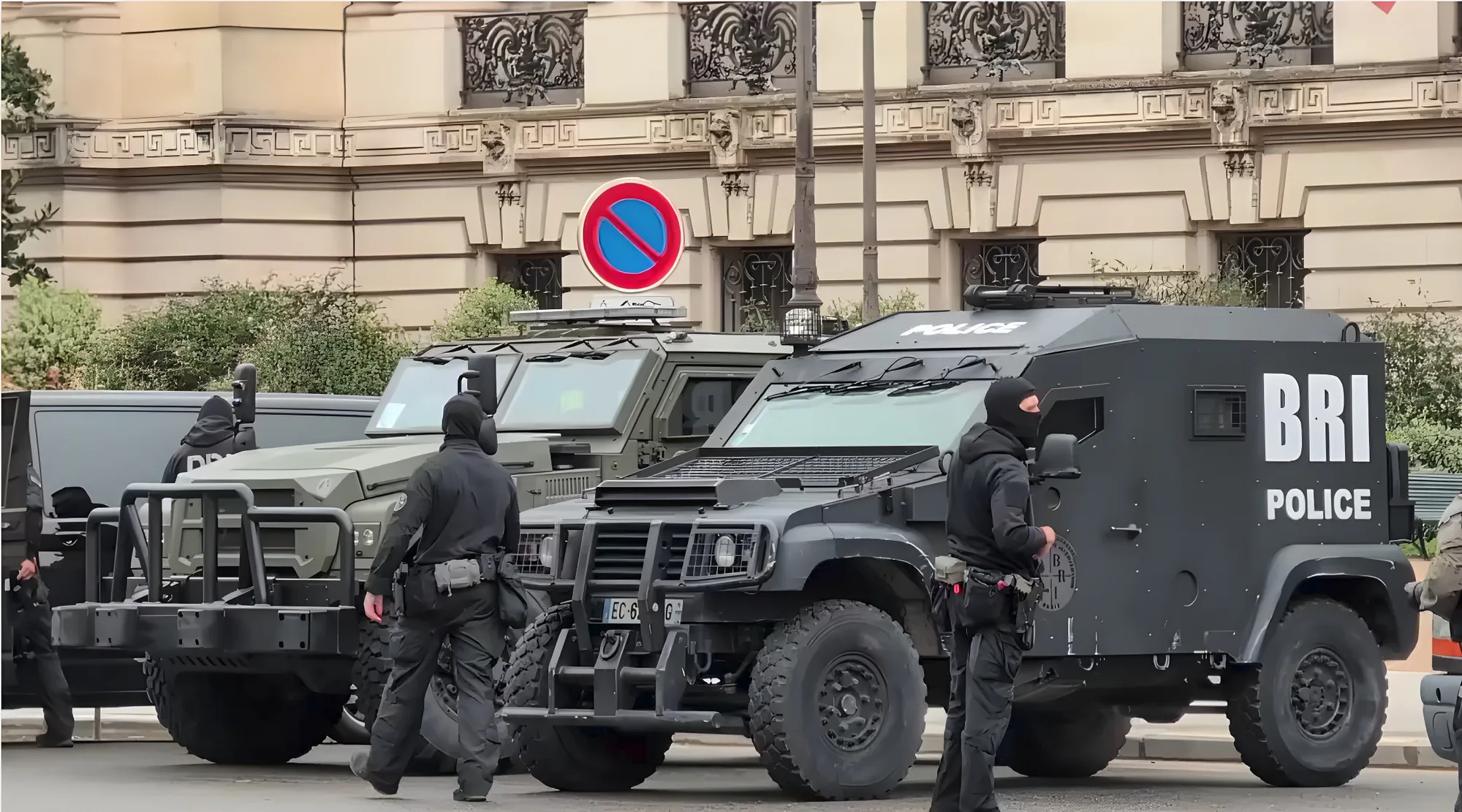
Major Risk of Violence: Paris Braces for Saturday Protests with Firmness
