Lebanon
Post-UNIFIL Concerns in Paris and Beirut: Fears of Security Vacuum on Southern Border
French sources warn that ending UNIFIL's mission in southern Lebanon would create a dangerous security vacuum, while President Joseph Aoun reaffirms Lebanon's commitment to maintaining international peacekeeping presence.

A French source told "Al Jumhuriya": "Ending the mandate of the peacekeeping forces (UNIFIL) in southern Lebanon is a very big mistake," noting that "Paris is exerting its weight at the regional and international levels, and specifically within the United Nations, to spare the southern Lebanon region from a serious security vacuum." The source revealed at the same time the existence of complications by major countries (referring to the United States without naming it) that prevent UNIFIL forces from continuing their mission and have so far prevented the formulation of an alternative framework. He affirmed France's position calling for an immediate Israeli withdrawal from Lebanese territory, stating that France rejects the continued presence of the Israeli army south of the Litani River. He said: "Paris reads in the continuation of the Israeli occupation of southern Lebanon a great danger, and sees a major necessity to consolidate security and stability on both sides of the border between Lebanon and Israel, which requires anchoring that region under the UN umbrella provided by UNIFIL forces since their deployment to southern Lebanon in 1978."
He concluded by saying: "France, during ongoing discussions on this matter, informed international parties that withdrawing UNIFIL is very dangerous, harms Lebanon primarily, and disrupts the path it follows to extend the authority of the Lebanese state over all Lebanese territories. Leaving UNIFIL in that area (without an alternative that continues its mission) would lead to a security vacuum, entrenching the current reality and keeping the area a permanent flashpoint."
In the same context, a UN diplomat told "Al Jumhuriya" that he "does not feel reassured regarding the post-UNIFIL phase in southern Lebanon."
Responding to a question about the fate of Resolution 1701, he said: "I can only say that the permanent priority of peacekeeping forces in southern Lebanon is reflected in supporting the implementation of UN Security Council Resolution 1701, maintaining stability in the region, and contributing to efforts aimed at restoring normal life in their area of operation."
While confirming that "complications are very large regarding the availability of an alternative to replace UNIFIL forces," he indicated that UNIFIL's area of operation will turn into a "new zone" with no role for UNIFIL starting from the beginning of the new year. However, now, despite the peacekeeping forces reaching the threshold of ending their mission and presence in southern Lebanon, no modification or change will occur in their performance and role, working alongside the Lebanese Army, and this will continue until the last day of this mission.
Answering a question, he noted that "the end date of the mission is set for the end of December 2026, but as for the departure of the forces and their return to their countries, this may require some time."
Aoun: Committed to UNIFIL
Meanwhile, President of the Republic General Joseph Aoun reaffirmed that "Lebanon is committed to the stay of UNIFIL forces in the South, or to replacing them with European forces, which would be the nucleus of forces from friendly countries wishing to help Lebanon and contribute to achieving security and stability in the South."
Aoun stressed before his visitors at the Presidential Palace in Baabda yesterday that "there are no safe and sustainable solutions through war, but rather through diplomatic negotiation, because wars cannot achieve any practical result; they destroy, displace, and leave behind dead and wounded, and do not end conflicts." He said: "Only diplomatic negotiation can achieve safety for states and peoples."
He confirmed that "the state is vigilant over the safety of the residents of the steadfast southern border villages who remain in their homes and properties, and works with humanitarian organizations, UNIFIL, and the Lebanese Army to secure all elements of health, educational, and nutritional resilience for them until the Israeli occupation ends."
Latest news
UK Maritime Body Reports Fire in Strait of Hormuz, Crew Fate Unknown

Sterling faces pressure from 3 trillion pound debt and rising inflation
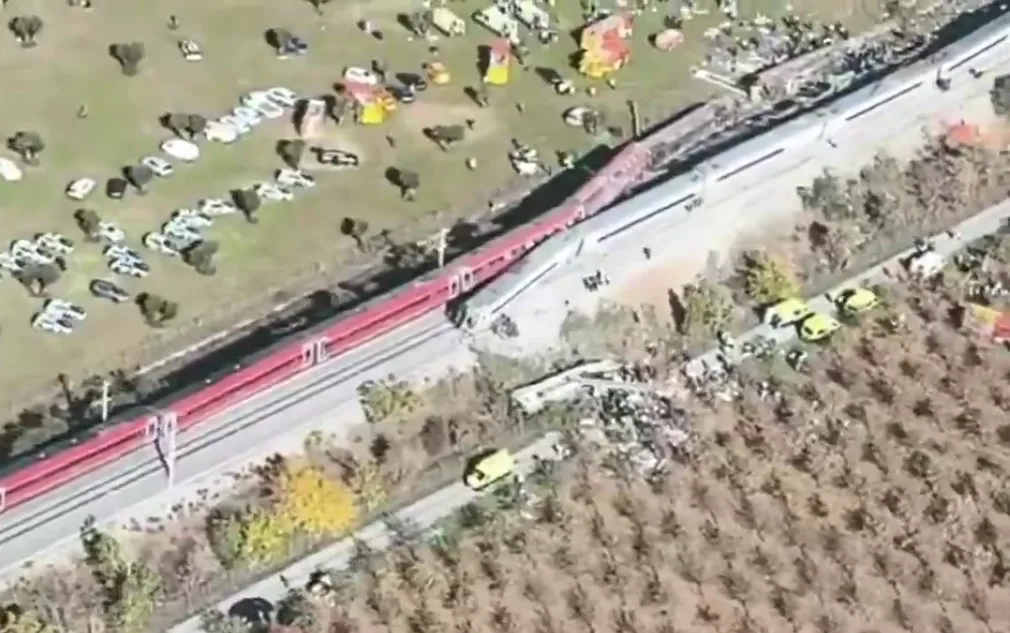
25 Kilometers Toward Death: Shocking Details Behind Spain's Train Collision