·
·


World
Residents in Venezuela express rising frustration over slow aid delivery and lack of coordinated government response following destructive earthquakes.

Residents in some of the hardest-hit towns in Venezuela are increasingly frustrated due to the slow arrival of aid and the absence of a coordinated government response in areas devastated by two powerful earthquakes last Wednesday.
In El Chonquito, a small mountainous area approximately 33 kilometers west of Caracas and a popular weekend getaway for Venezuelans, locals report seeing only a few government officials. Instead, farmers and other residents have been supplying essential goods to support the community.
Kelly Ibarra, a 33-year-old nail technician who leads citizens' complaints to authorities, stated, "We are waiting for answers, for debris removal, for search operations, and for help for those truly affected." She urged the government to "do what needs to be done," according to Reuters.
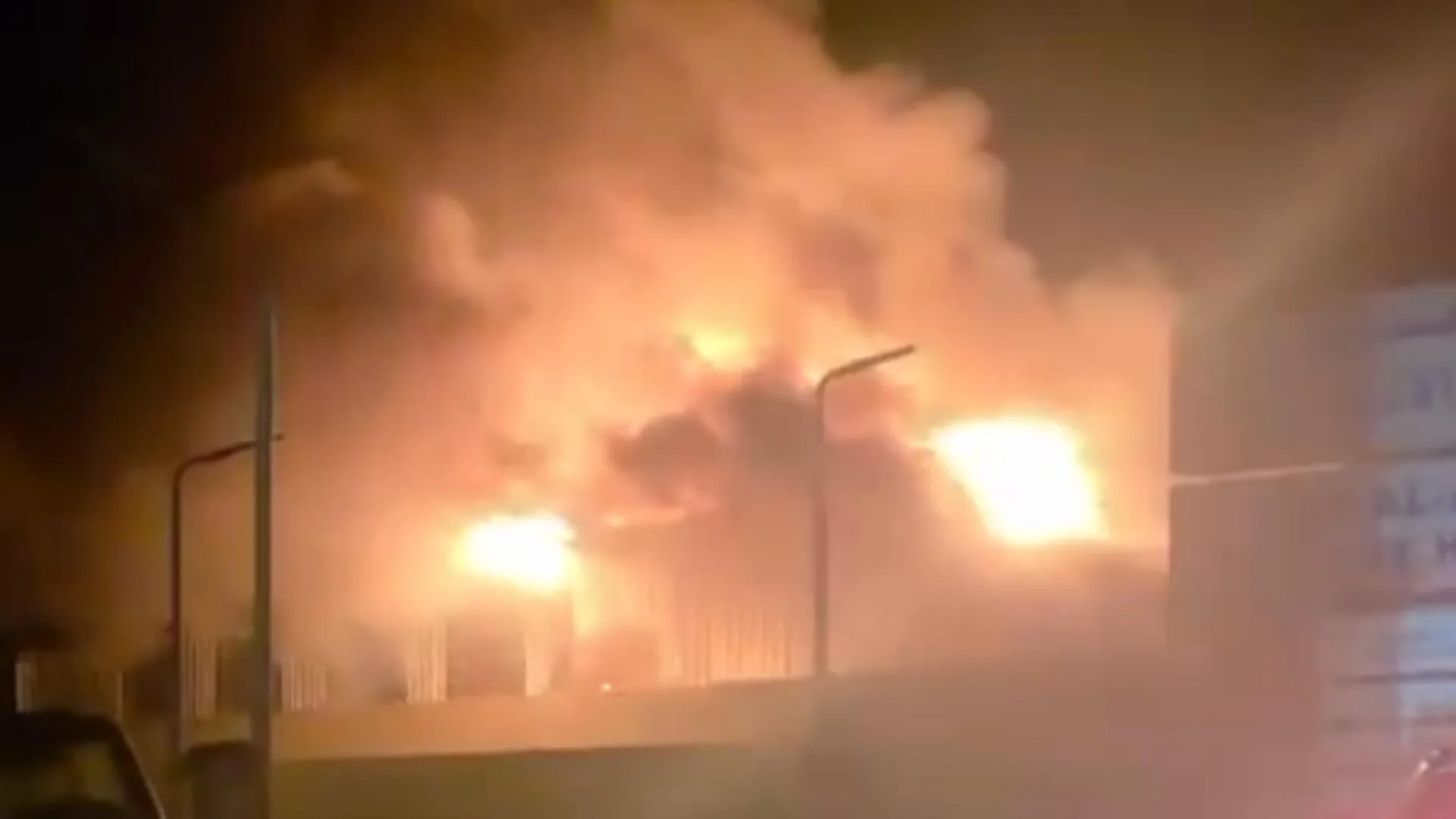
The commercial center in El Chonquito suffered extensive destruction from the earthquakes, with collapsed buildings visible during a Reuters visit. Several residents who have nowhere else to go have set up tents in an open area despite the risks posed by nearby damaged and collapsed structures.
Tony Abrio, a local candy shop owner living in a tent since the earthquakes because his home and shop are unsafe, said, "We do not know where we will be relocated or how long we will stay here."
Elsewhere, relatives reported that a hotel near Maiquetía airport collapsed. The hotel housed over 140 people deported from the United States, including seven children, while completing procedures with Venezuelan authorities. It is believed that most of them died.
The government-run "Great Mission Return Home," which manages deportation procedures, posted online videos on Wednesday showing the arrival of these individuals, including children receiving toys.
While several international relief and rescue organizations have mobilized their efforts in Venezuela, most assistance is concentrated in La Guaira, the state most severely affected in a country long engulfed in a deep political and economic crisis.
The international community has moved to assist Venezuela in managing the disaster. Authorities reported that the South American oil-rich country received support from 30 countries, including 1,000 tons of supplies, more than 3,600 rescue and support workers, and 118 search and rescue dogs.
The death toll continues to rise. Jorge Rodriguez, president of the National Assembly and brother of the acting president, stated on Monday that the confirmed death count has reached 1,719, with 5,034 injured and 15,866 displaced.
Sources in the oil sector said power outages on Monday prevented a refinery, a petrochemical complex, and other industrial facilities in the country's central region from resuming operations.
Despite these challenges, sources indicated that the national oil company PDVSA did not expect any local fuel shortages, as refinery output in the eastern and western regions can meet demand, even with increased consumption by rescue teams.
The sources added that oil production and exports remained normal.
Homes in the capital Caracas were shaken by a 4.6-magnitude aftershock early Monday, as rescue teams continued round-the-clock search operations for the fifth consecutive day.
The U.S. Geological Survey reported that the aftershock struck a northern Caracas area early Monday at a depth of ten kilometers. Rodriguez said no damage reports had been received so far.
This aftershock is one of hundreds since last Wednesday, which have alarmed national and international rescue teams. Each rescue operation brought new hope as chances of finding survivors diminished.
Among what resembled miracles, Venezuela's acting president Delcy Rodriguez announced the rescue of Aaron Levy, 21, from a collapsed building in the stricken state of La Guaira. He was pulled from the rubble after spending 106 hours trapped beneath it during a 43-hour rescue effort.
Following the latest death toll announcement, National Assembly President Rodriguez said 15 shelters and 50 temporary camps have been established in La Guaira to assist those affected by the earthquakes.
He praised the calmness and resilience of Venezuelans, attributing public anger toward the government to misinformation.
Rodriguez stated, "Do not pay attention to rumors, and do not allow yourselves to be led by manipulation tactics on social media or media manipulation that seeks nothing but to increase unrest and anxiety. Only official information truly carries the truth."
A senior U.S. administration official confirmed that three American citizens are known to have died, with 12 others missing since the earthquakes. The State Department's task force has received over 300 inquiries from Americans seeking advice. Another official estimated about 5,000 U.S. citizens reside in Venezuela.