World
Intense Battles and Escalating Siege Mark Uncertain Fate of Anéfis in Northern Mali
The Malian army faces a broad offensive from rebel and extremist coalitions in northern Mali's Anéfis, with ongoing clashes and conflicting reports on control of the strategic town.

The Malian military encountered another extensive assault launched by a coalition of rebels and extremists across the vast northern plains of the country. As authorities struggle to reclaim approximately 30% of national territory, regional concerns rise over Mali potentially becoming the first to fall under extremist control.
Two significant battles have unfolded in Anéfis, a strategically vital town and corridor in northern Mali's Kidal region. The first occurred between July 4 and 9 along the Gao-Kidal axis, specifically in the rural communities of Tabrishat, Tabankort, and Tin Araban.
The second battle's events have been revealed through ongoing statements since then, with each side claiming a decisive victory over the same area, on identical dates, and against the same opponent.
The Azawad Liberation Front issued a statement describing a major six-day military engagement that concluded with the "defeat" of the enemy convoy. Conversely, channels affiliated with the African Legion and Bamako simultaneously celebrated the destruction of an extremist coalition and the arrival of reinforcements.
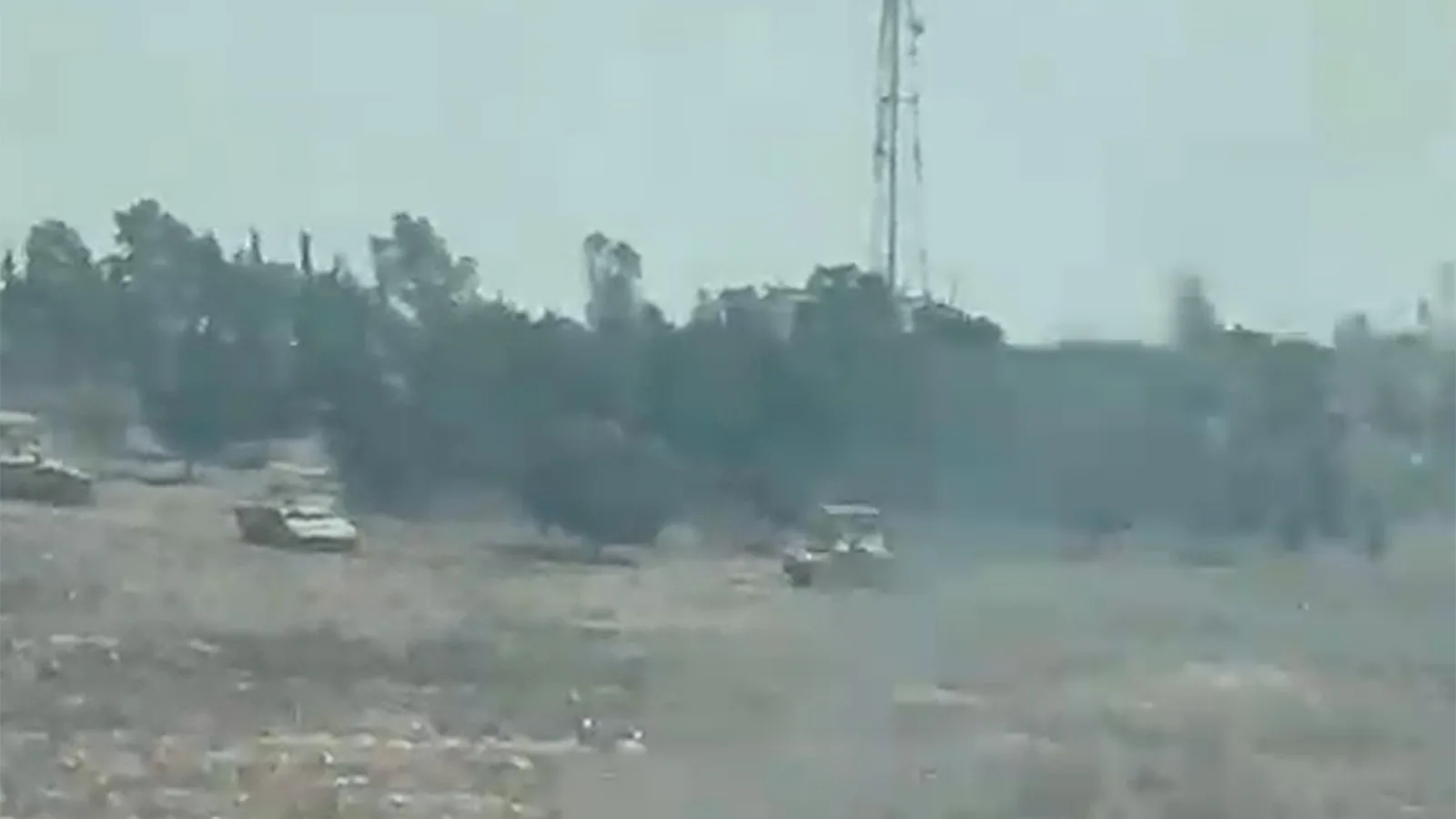
Since losing control over the official narrative following the April attacks, Bamako has outsourced the portrayal of its victories. African Legion channels broadcast footage showing Malian soldiers waving the national flag in Anéfis immediately after its recapture.
In coordination with the African Legion, the Malian army announced the killing of 100 militants.
Conflicting accounts continued as armed groups attacked a military convoy traveling from Anéfis to Gao, killing all soldiers aboard one of the transports. Official Malian sources confirmed 18 soldiers died in this attack targeting army forces, while the allied groups claimed the assault resulted in dozens of Malian and African Legion soldiers killed and prisoners taken.
On maps, Anéfis appears as a small desert town of limited significance, consisting of only a few dozen homes along the road between Gao and the eastern city of Kidal. However, it hosts a large military garrison, dozens of military vehicles, and hundreds of soldiers within its perimeter.
By maintaining control of this small desert town, Mali continues to assert it has repelled extremist forces.
With support from the African Legion, the Malian army has regained control of Anéfis.
A Malian political source told "Iram News" that time is not on the government’s side. As extremists maintain a siege on the capital and their hold over the north wanes, more citizens are losing confidence in the army’s ability to address the multiple threats facing the country. Many believe negotiations with armed groups represent the only path out of the conflict.
The source indicated that the alliance between the Azawad Liberation Front and the Group for the Support of Islam and Muslims has recognized their winning strategy against the ruling council: gradually seizing more territory and humiliating the government by exposing its weaknesses to the public.
Some voices among politicians and religious leaders, including Mahmoud Dicko, a prominent Malian cleric, have called on the government to pursue a peaceful resolution with the extremists.
However, Mohamed Al-Mawlood Ramadan, spokesperson for the Azawad Liberation Front in Mali, affirmed there is no negotiation initiative with those he labeled the "coup leaders in Bamako."
In May 2021, General Assimi Goïta seized power in Mali, located in the African Sahel region, establishing military rule.
Ramadan added in a press statement on Wednesday: "We did not start the war, but we will decide when and where it ends."
The Azawad Liberation Front demands autonomy or independence for the Azawad region in northeastern Mali, which constitutes about 60% of the country's territory. Mali gained independence from French colonial rule in 1960.
Pro-government channels on the X platform confirmed the arrival of a convoy carrying reinforcements and supplies to the Malian armed forces and their Russian partner in Anéfis. This strategic stronghold is being reinforced in anticipation of a campaign to reclaim northern territories controlled by the Azawad Liberation Front and its allies since the massive attack on April 25, particularly the cities of Kidal and Tessalit.
Latest news

Hantavirus Could Sweep the World

Deir Mimass Municipality Warns Against Heading to Ain Al-Tishtush-Borg Al-Muluk Area
Lebanese University Contractual Staff Suspend Strike for a Week Awaiting Approval of Full-Time Status