·
·


World
The Trump administration is bracing for a potential extended military confrontation with Iran over control of the Strait of Hormuz, with the duration depending on Tehran's next moves.

The Trump administration is reportedly preparing for a possible exchange of fire with Iran that could last days or even weeks concerning the Strait of Hormuz, according to Axios on Thursday.
American officials conveyed to the outlet that the length and intensity of this new military campaign hinge entirely on Tehran’s forthcoming actions.
Initially aimed at undermining Iran’s missile capabilities and dismantling its remaining nuclear program, the conflict has escalated into an open confrontation over control of one of the world’s most critical energy transit routes.
An American official stated that the current escalation might continue for anywhere from a day or two to a week or a month, depending on whether Iran persists in attacking commercial vessels in the strait. The official added, “We will deliver a strong slap so they understand we are not joking.”
Diplomatic efforts have stalled recently, with military pressure returning to the forefront of President Trump’s strategy. Trump declared that the 60-day ceasefire agreement outlined in the memorandum of understanding has ended.
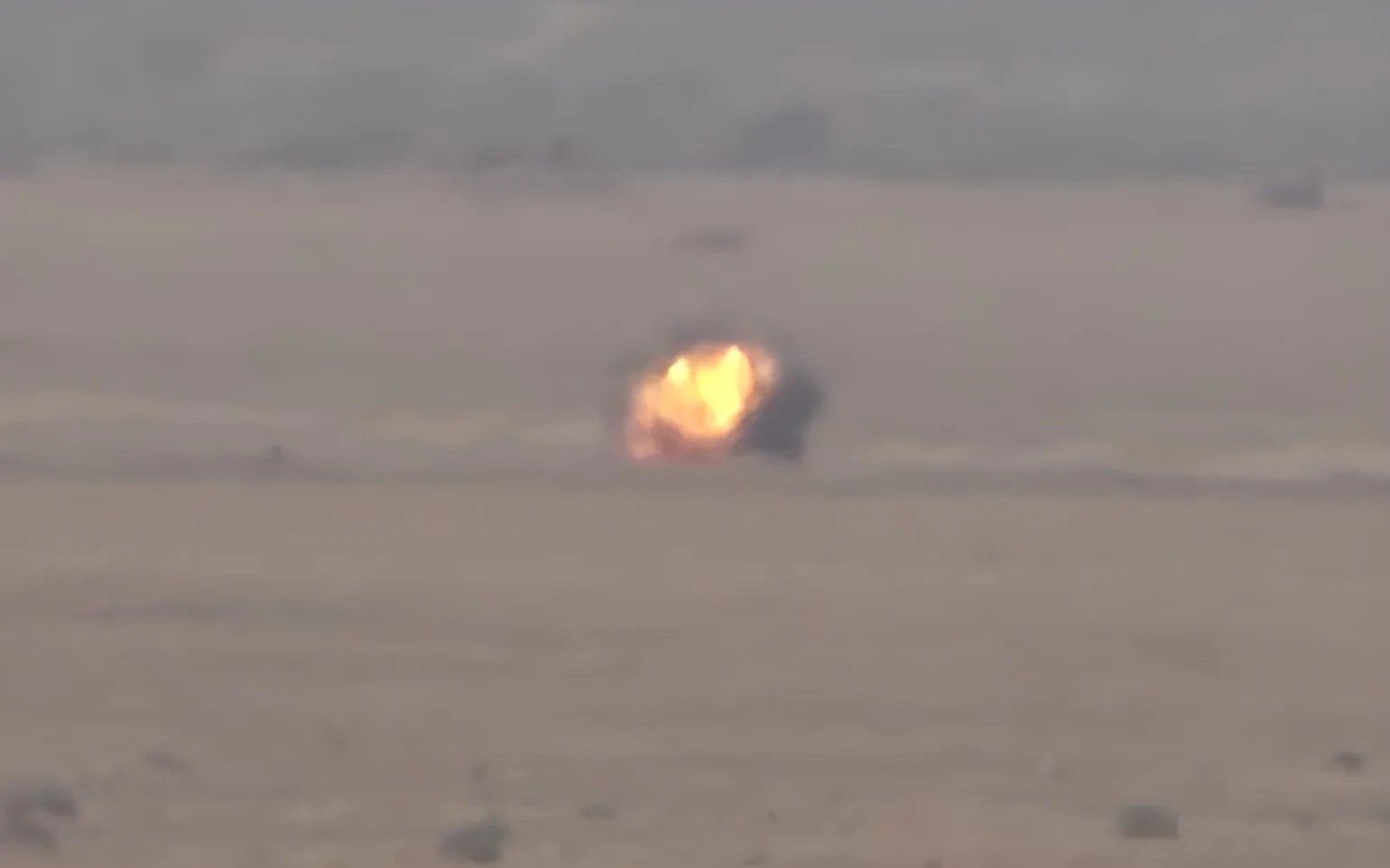
This declaration followed an exchange of fire triggered by Iranian attacks on commercial ships, after which the United States launched a second round of strikes near the Strait of Hormuz, targeting infrastructure inside Iranian territory for the first time in months.
Iran responded with attacks on U.S. bases in Kuwait and Bahrain while maintaining its stance on its right to control the Strait of Hormuz.
Shortly afterward, Trump hinted at a willingness by the United States to de-escalate, telling reporters aboard Air Force One that Iranian officials “just called and want to make a deal.”
Axios noted that it was unclear which contact Trump was referring to, and Iranian officials did not immediately confirm any direct communication.
Trump added, “I’m not really sure if they’re worthy of a deal, and I don’t know if they will stick to it… They’re kind of crazy, frankly.”
In contrast, Iran’s chief negotiator, Mohammad Baqer Qalibaf, accused the U.S. of “bullying and breaking promises,” warning that the strait would only reopen on Tehran’s terms, not under Washington’s threats.
Reopening the Strait of Hormuz and restoring freedom of navigation for commercial vessels has become a primary objective for the Trump administration, aimed chiefly at stabilizing global energy markets.
Axios observed that for Iran, maintaining control over the strait is a key goal in any agreement to end the conflict.
The issue was a fundamental point in the memorandum of understanding between the U.S. and Iran, but conflicting interpretations of the provisions concerning the strait now threaten to collapse the agreement.
The memorandum requires Iran to allow safe passage of ships through the strait. However, shortly after its signing, Iranian officials accused Washington of violating the agreement by directing ships along a southern route near the Omani coast without Tehran’s approval.
U.S. officials say the White House believes it has room to escalate because hundreds of oil tankers have passed through the strait in recent weeks.
They noted this has eased concerns within the administration that renewed confrontation would cause an immediate and sharp spike in oil prices.
An American official indicated that the current escalation stems from frustration among the more hardline elements within Iran’s divided leadership, who view the memorandum as having failed to secure real gains for Tehran.
The official explained that Iran felt its influence in the Strait of Hormuz diminished as hundreds of vessels passed through the southern route near the Omani coast.
Despite receiving exemptions from U.S. sanctions, Iran has faced difficulties selling oil due to financial institutions’ refusal to approve transactions and countries’ reluctance to rely on temporary waivers.
No frozen Iranian funds have been released because Iran has not yet taken the nuclear steps stipulated in its agreement with the United States.
The official noted that the framework agreement, which the U.S. mediated between Israel and Lebanon, rendered the Lebanon-related section of the memorandum unnecessary.
The American official said, “Not all of Iran’s leadership was satisfied with these developments.” He added, “They started firing, and we decided it was time to give them a harsh response.”
He continued, “It’s an ongoing process, and we are patient; if we don’t feel we will get the deal we want, we won’t proceed.”
On Wednesday, Vice President Pence stated the U.S. position clearly: the Strait of Hormuz must remain open. He said, “If they try to close it, there will be a response from the U.S. military.”
Pence added, “They can either comply or face the same fate they experienced last night; this will continue until they open that passage and stop firing on ships.”