·
·


Lifestyle
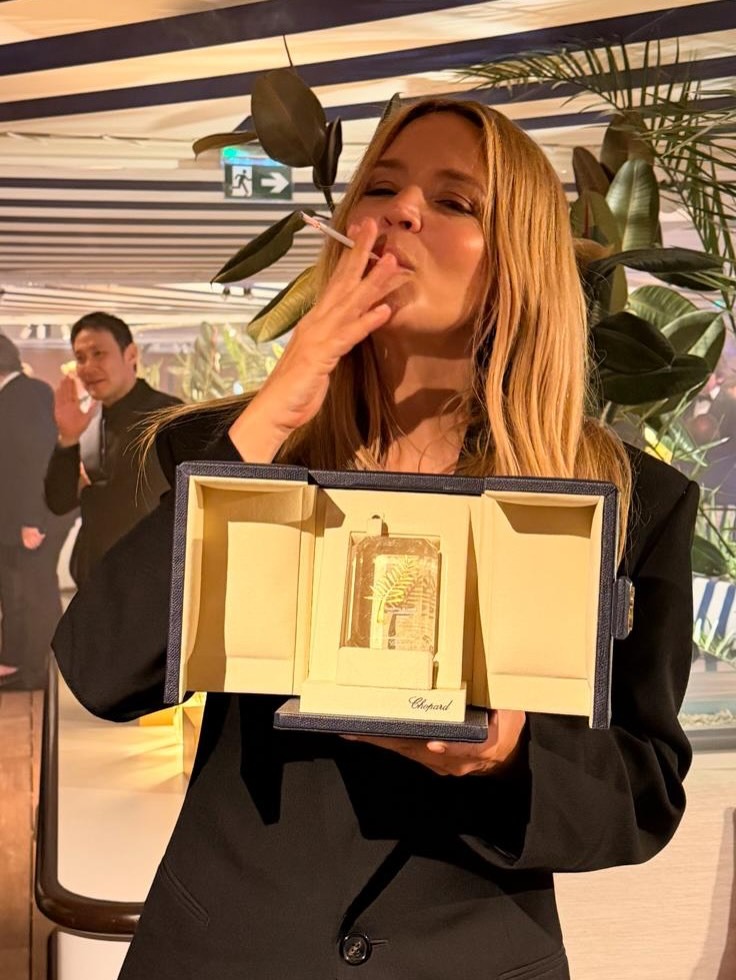
Virginie Efira shared the Best Actress award at Cannes 2026 for her role in "Soudain" alongside Tao Okamoto.

The closing ceremony of the 79th Cannes International Film Festival highlighted a notable moment as Virginie Efira received the Best Actress award, drawing significant attention on the red carpet in Cannes, France.
Belgian-French actress Virginie Efira appeared momentarily stunned when her win was announced at the festival's closing event, initially unable to process the news before responding to the enthusiastic applause from the audience, a scene that captivated both media and spectators.
The Cannes jury declared that the Best Actress prize would be shared between Virginie Efira and Japanese actress Tao Okamoto for their performances in "Soudain," directed by Japanese filmmaker Ryusuke Hamaguchi. The festival's edition featured strong competition among numerous international films.
"Soudain" attracted widespread critical attention during its screening, offering a humanistic dramatic approach with a calm visual style. This approach earned praise from critics and the jury, particularly for the acting performances that combined distinct European and Asian acting traditions.
The film stands out among the current festival entries for its complex human story told through a visual style emphasizing calmness and depth, which drew critics' focus, especially regarding the diverse acting styles of the two lead actresses from different artistic backgrounds.
This accolade represents a significant addition to Virginie Efira's artistic career, who has been one of French cinema's prominent stars in recent years. She has maintained a presence at international festivals through various works spanning drama, romance, and psychologically complex roles.
At the same festival, the Romanian director Cristian Mungiu won the Palme d'Or for his drama "Bay" ("Fiord"). This marks Mungiu's second time receiving the award, his first being for "Four Months, Three Weeks and Two Days" in 2007.
The film, starring Sebastian Stan and Renate Reinsve, explores a conflict of values arising when a religious family relocates from Romania to a Norwegian village.
The festival's second most prestigious award went to "Minotaur," a drama about marital infidelity directed by Russian filmmaker Andrei Zvyagintsev.
The Best Director award was shared by Polish director Pawel Pawlikowski for "Fatherland," based on a novel by Thomas Mann, and the Spanish duo known as Los Javis—Javier Ambrossi and Javier Calvo—for their epic film "The Black Ball," which addresses the Spanish Civil War.
The Best Actress award was jointly awarded to the leads of "Soudain" ("All of a Sudden"), Virginie Efira and Tao Okamoto.
The Best Actor prize was shared by the stars of the Belgian film "Coward," which tells a homosexual love story set during World War I: Valentin Campani and emerging actor Emmanuel Macia.
The Jury Prize went to "The Dreamed Adventure," a drama centered on archaeological excavations in Bulgaria, directed by German filmmaker Valeska Grisebach.
American singer and actress Barbra Streisand received an honorary Palme d'Or in absentia due to a knee injury preventing her attendance. The French screen icon Isabelle Huppert accepted the award on her behalf.
In a recorded message during the award announcement, Streisand, aged 84, known for films including "Yentl" and "Funny Girl," praised cinema's power to unite people.
Syria's artist Bisan Ismail addressed a wave of criticism following her pronunciation of the Cannes Film Festival's name while reading a welcome message from the festival organizers.
She posted a video on her social media accounts responding to the critiques with humor, explaining that she was unaware of French pronunciation rules since the message she read was written in English, leading her to pronounce the festival's name in the English manner.
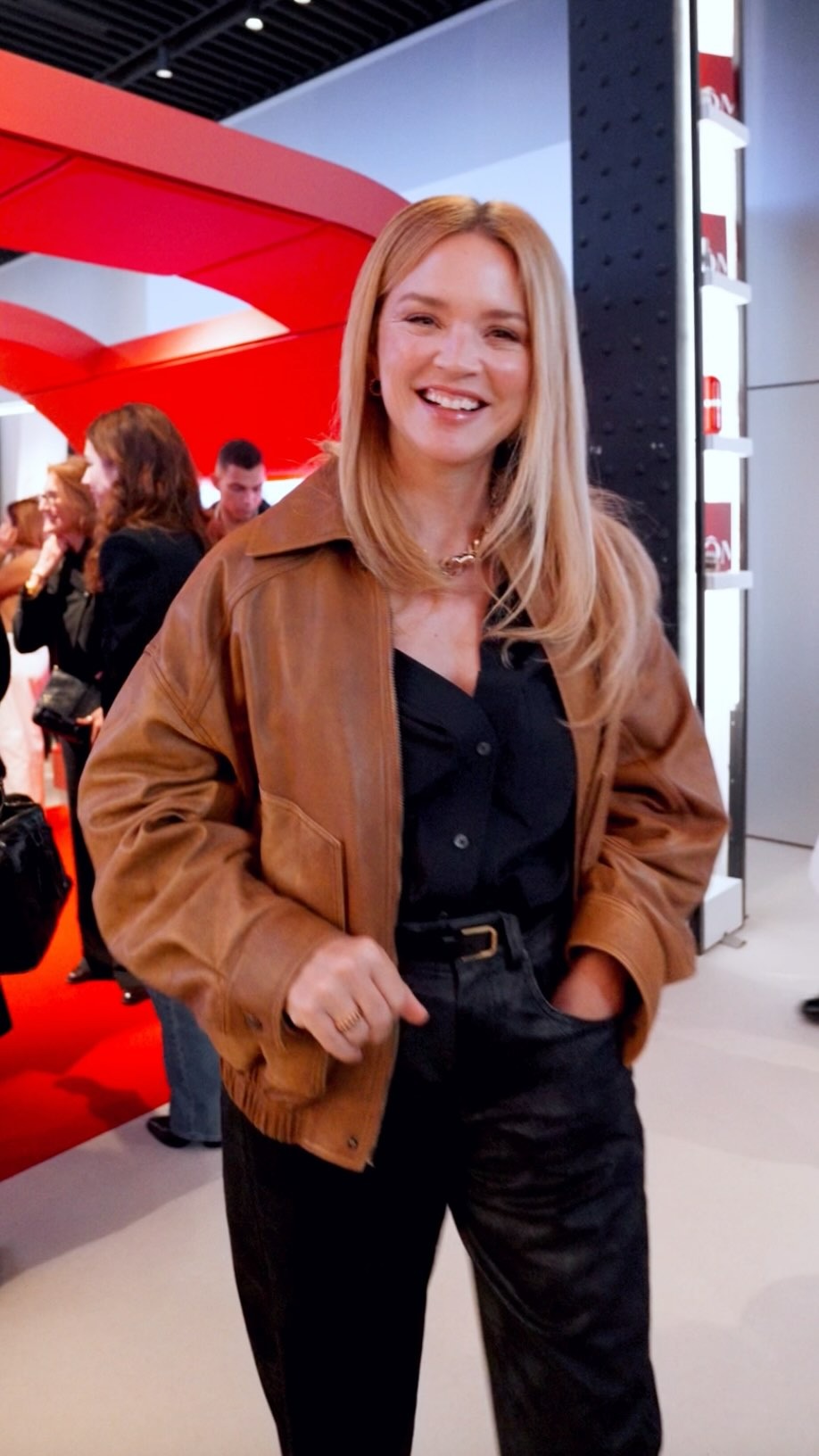
Bisan clarified that she later learned some French letters are not pronounced as written and stated that the feedback she received became a new piece of information for her. She emphasized that the incident did not affect her psychologically or diminish her self-confidence.
Reactions to the video varied; many viewers considered the mistake understandable, especially since she does not speak French, and viewed the criticism as exaggerated compared to similar errors made by foreign celebrities speaking Arabic or other languages.
Many supporters defended Bisan, arguing that focusing on a minor linguistic slip was unwarranted, while others felt her spontaneous response helped quickly defuse the situation.
Conversely, some commentators believed that the spelling of the festival's name should have indicated its French origin, suggesting the incident revealed limited familiarity with both French and English.
Bisan Ismail continues her artistic and media activities, increasing her presence on social media platforms and participating in various Arab and international cultural events.