Tech & Science
Huawei Mate 90 Pro Max hits 6,169 Geekbench multi-core score
The Kirin 9050 Pro-powered flagship posts a peak multi-core result of 6,169 points in Geekbench 7 testing.

A new benchmark entry for the Huawei Mate 90 Pro Max reveals a multi-core score of 6,169 points on Geekbench 7. The device, equipped with the Kirin 9050 Pro chipset, also recorded 1,528 points in single-core performance tests.
Kirin 9050 Pro benchmark details
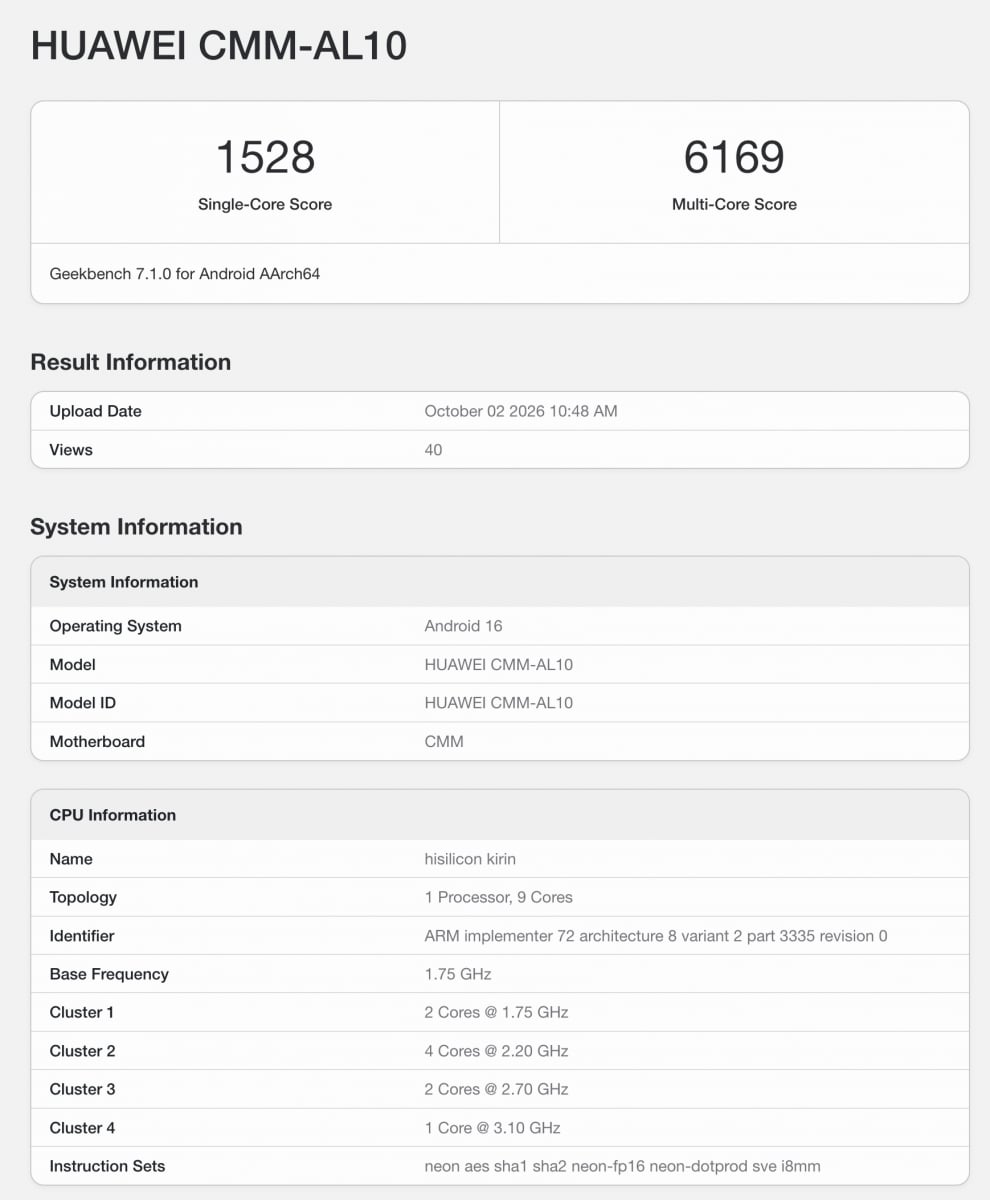
Huawei Kirin 9050 Pro Geekbench 7 benchmark results
Huawei Kirin 9050 Pro Geekbench 7 benchmark results
This specific result belongs to the CMM-AL10 model variant featuring 16GB of RAM. It is distinct from another configuration that pairs the standard Kirin 9050 chip with 12GB of memory. Analysts must differentiate between these two setups when evaluating performance data.
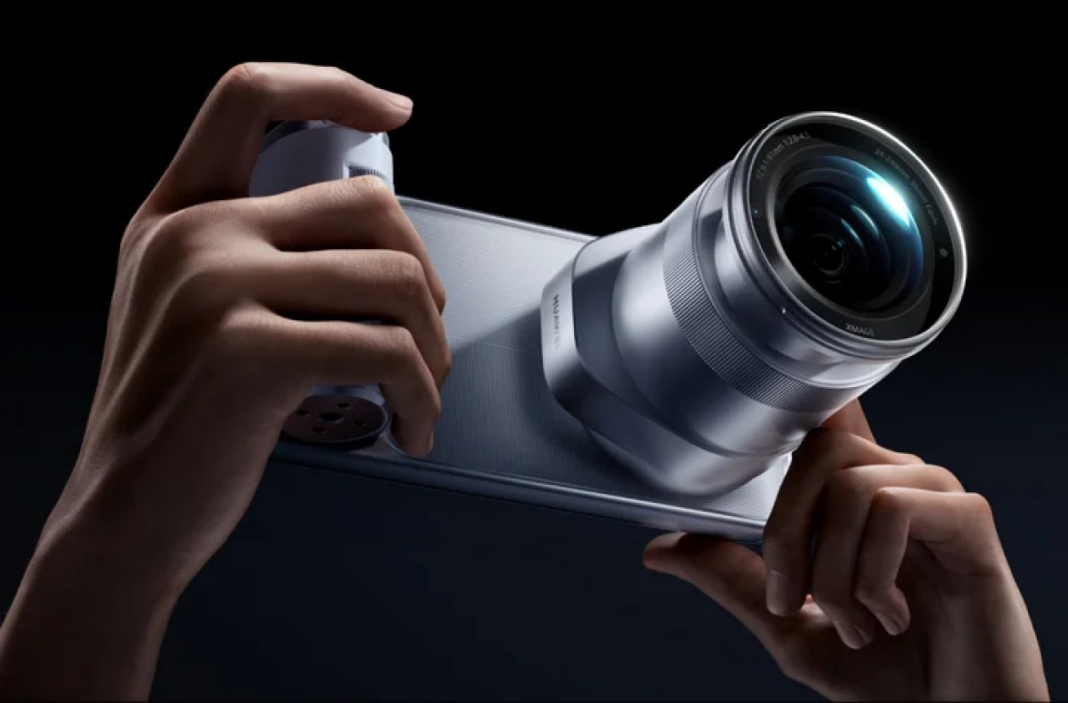
Geekbench 7 result showing Kirin 9050 Pro performance on the Huawei Mate 90 Pro Max
Thirteen separate Geekbench 7 entries exist for the CMM-AL10 identifier. These runs average approximately 1,326 points for single-core tasks and 5,363 points for multi-core workloads. The wide variance across these attempts indicates that factors such as thermal conditions, performance modes, and software iterations heavily influence outcomes.
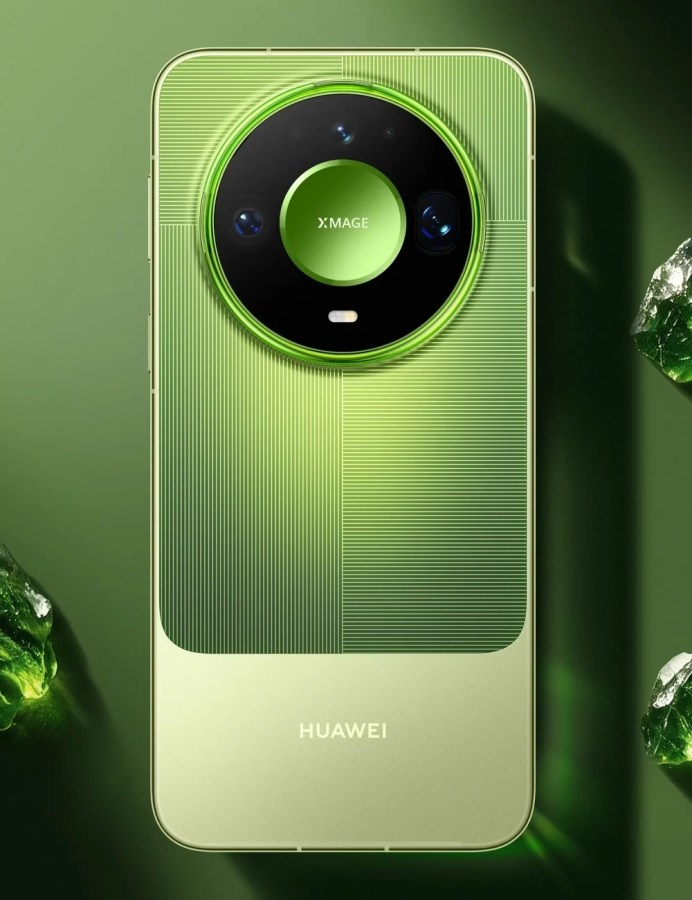
Kirin 9050 Pro benchmark information for the Huawei Mate 90 Pro Max
CPU architecture and core layout
The peak-scoring test highlights an unusual nine-core CPU design utilizing 16 threads. This configuration appears optimized for parallel processing tasks rather than raw single-thread speed. The core frequencies are distributed as follows:
One core operating at 3.10GHz
Two cores running at 2.70GHz
Four cores set to 2.20GHz
Two cores clocked at 1.75GHz
Comparison with Snapdragon rivals
The multi-core figure places the Mate 90 Pro Max within striking distance of devices powered by the Snapdragon 8 Gen 3. However, its single-core score remains lower than current Android flagships. For context, a Galaxy S24 Ultra using the same Qualcomm chip can surpass 1,800 points in single-core benchmarks, depending on the specific run.
It is critical to note that direct comparisons between different versions of Geekbench are invalid. While the multi-core gap has narrowed, this metric alone does not confirm overall performance parity with competing platforms.
LogicFolding technology impact
The Mate 90 Pro Max serves as an early indicator of how Huawei’s LogicFolding architecture translates into measurable results. This approach stacks chip components to mitigate limitations imposed by manufacturing processes. Subsequent microscopic analysis reportedly verified the presence of a two-die physical structure within the silicon.
Lacking access to the leading-edge nodes used by Apple, Qualcomm, and MediaTek, Huawei relies on architectural innovations, packaging techniques, and parallelism to drive gains. The benchmark data suggests this strategy yields significant benefits in multi-core scenarios but struggles to match competitors in single-core efficiency.
Further metrics regarding Maleoon graphics hardware performance, power consumption, and sustained load handling remain unestablished. These measurements will ultimately determine if the Kirin 9050 Pro can maintain its multi-core advantage during gaming, graphics-intensive applications, and prolonged operational periods.