·
·


Tech & Science
Scientists in Shanghai have developed a lab-grown biological pacemaker that mimics the heart’s rhythm control system and may offer an alternative to electronic devices.

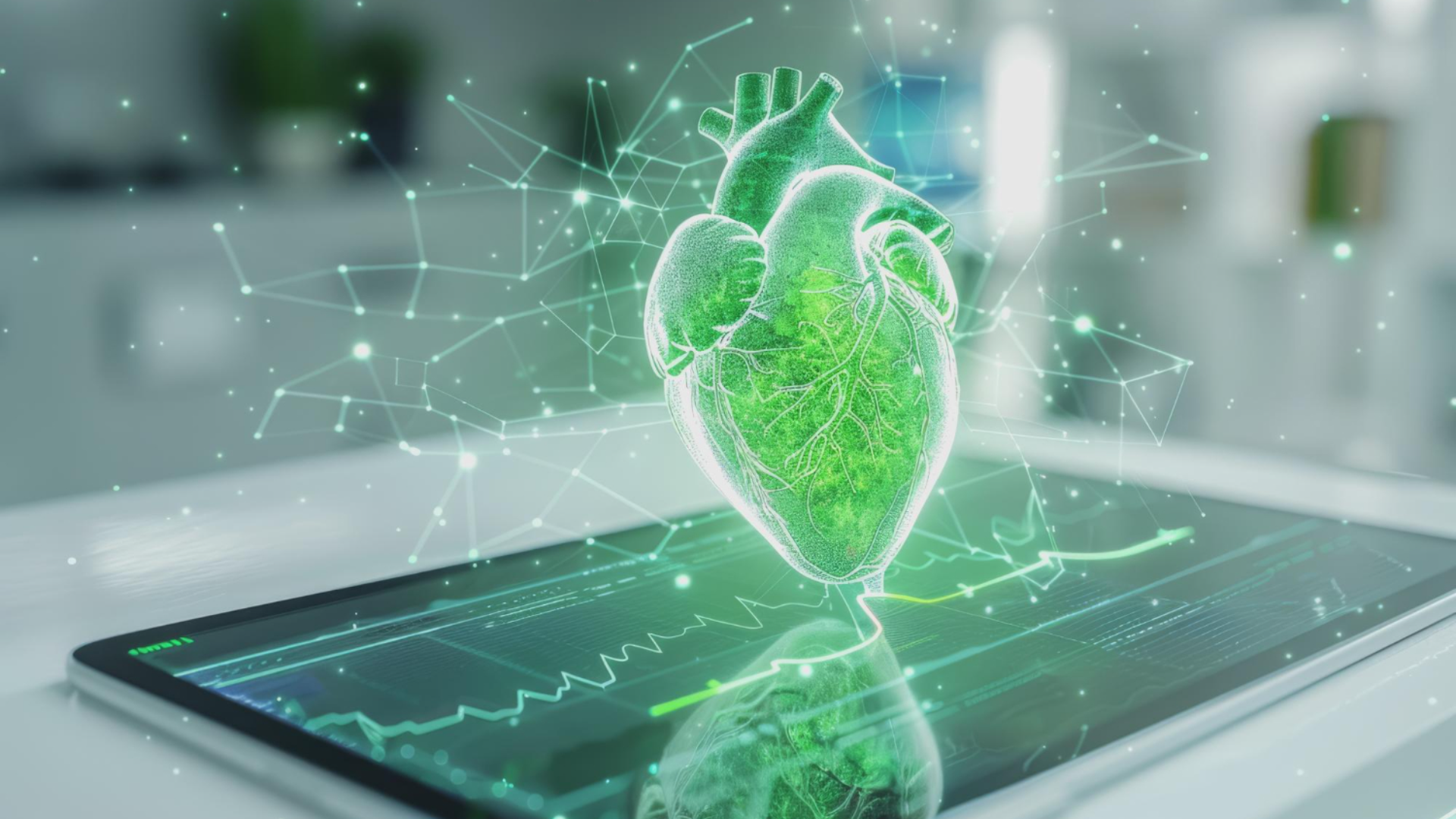
Scientists in Shanghai have developed a lab-grown biological pacemaker designed to mimic the heart’s natural rhythm control system. Working with human pluripotent stem cells, they created a three-dimensional sinoatrial node organoid that can generate electrical impulses, the South China Morning Post reported.
Linked to an artificial cardiac plexus, the organoid was used to reproduce how the nervous system communicates with the heart. Researchers said the setup could open new paths for studying irregular heart rhythms and for developing future treatments that could reduce reliance on electronic pacemakers.
The research was published in Cell Stem Cell and involved scientists from the Chinese Academy of Sciences and Fudan University. Their focus was the sinoatrial node, the tiny part of the heart that controls its rhythm, a structure that has been difficult to study because of its small size and hard-to-reach location inside the heart.
Positioned near the upper right chamber and close to one of the body’s largest veins, the sinoatrial node is rarely easy to access in human tissue samples. That has limited research into how it works and how related heart conditions develop.
Animal studies, especially those involving mice, have not fully replicated how the human heart’s natural pacemaker works. Because of that, scientists have increasingly turned to lab-grown models of the sinoatrial node to better understand heart rhythm disorders and explore new treatment options.
A 2024 study from SUNY Downstate Health Sciences University highlighted the potential of such models for studying disease and developing biological pacemakers. Building on that goal, the Shanghai researchers recreated signals normally seen during early embryo development to produce stable and spontaneous beating in the lab-grown tissue.
The breakthrough allowed scientists, for the first time in a laboratory setting, to recreate the complete process through which the heart generates and carries electrical signals that control its rhythm. The lab-grown tissue also closely matched human embryonic sinoatrial node cells in gene activity and reacted correctly to medications used to control heart rate.
The findings could help pave the way for future biological pacemakers based on transplanted cells or organoids, potentially offering an alternative to traditional electronic devices. Conventional cardiac pacemakers, which use electrical pulses to regulate the heartbeat, have been widely used in medicine for more than 50 years and remain one of the most common treatments for patients suffering from dangerous heart rhythm disorders or irregular heartbeats.