World
7 Conditions and 3 Options: Trump Nears 'Fateful Decision' as Iran Prepares for Renewed War
Tensions between Iran and the United States are escalating again, with Tehran announcing seven conditions for resuming peace talks, while President Donald Trump signals he is in a decision-making phase. Analysts warn of potential military escalation amid growing regional instability.

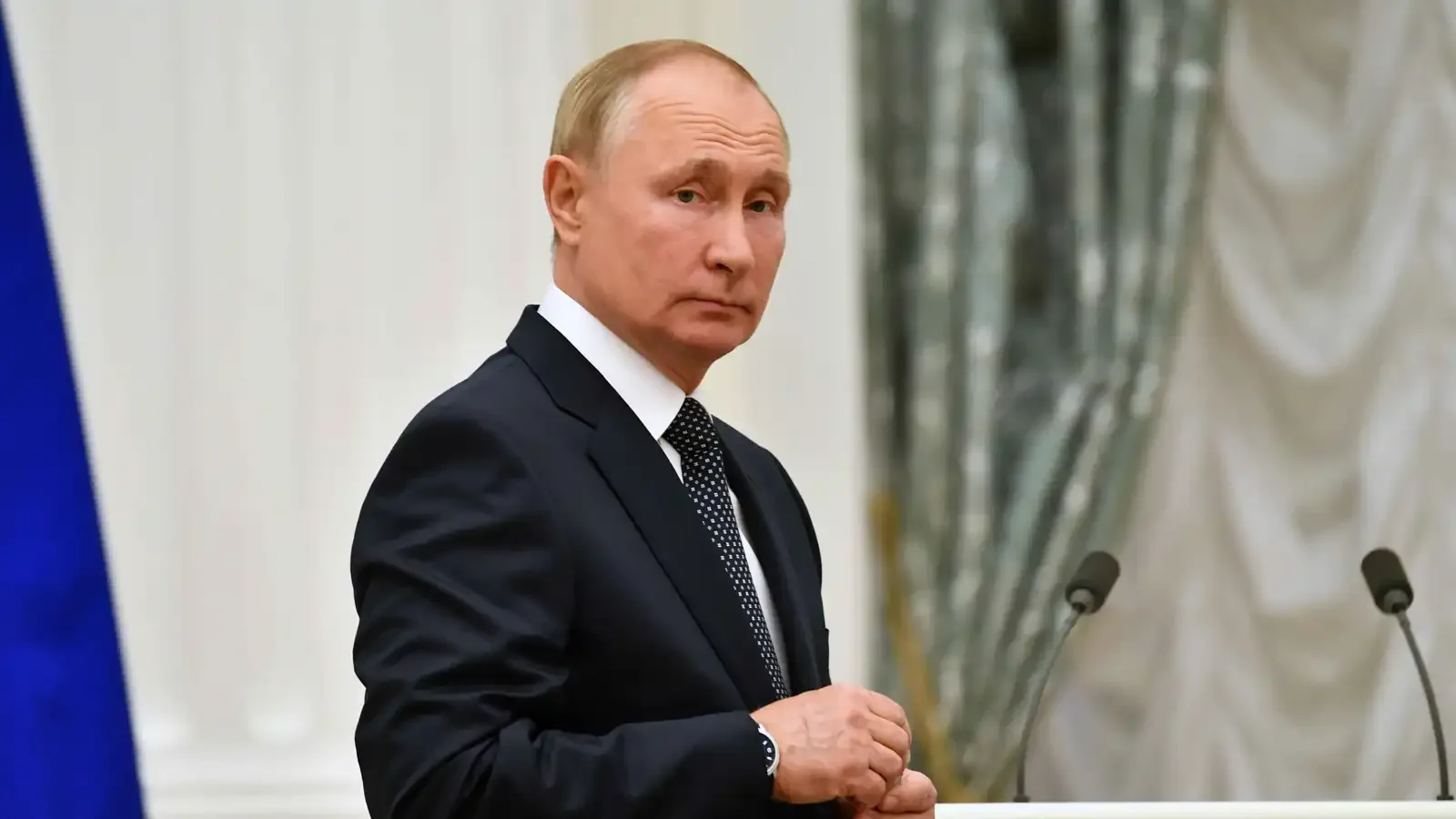
Tensions are rising once again between Iran and the United States, following Iran's announcement of seven conditions for resuming peace talks, coinciding with statements from U.S. President Donald Trump saying he is in a decision-making phase and that "momentous events" could occur in the near future.
These developments come as the war enters its seventh month, amid fears of renewed military operations, with some analysts suggesting U.S. statements may be part of a show of strength and political pressure.
Iran's Conditions to End the War
Iran announced on Saturday, September 19, that it had sent seven conditions to the United States to end the war in West Asia. Mohsen Rezaei, head of Iran's Supreme National Security Council, revealed these conditions, confirming that Tehran conveyed them to Washington through Qatari intermediaries.
Rezaei said the Iranian message was clear, emphasizing that if the United States wants to exit the crisis it created itself, it must accept Iran's rights and demands.
The seven Iranian conditions include ending the war on all fronts—including Lebanon—releasing billions of dollars in frozen Iranian funds, and lifting the maritime blockade on Iranian ports.
Iran also demands an end to U.S. interference in its internal affairs, termination of U.S. cooperation with those it describes as "revolutionary opponents," halting all U.S. attacks on Iranian soil, and reopening the Strait of Hormuz.
Most of these demands mirror the terms outlined in the June agreement memorandum, but Middle East specialist Adel Abdel Ghafar noted that the significance lies in the timing.
He said the failure of the Islamabad memorandum and Iran’s transmission of its conditions via Qatar reflect Tehran’s attempt to publicly reapply pressure on Washington to achieve maximum possible impact.
Trump's Options Toward Iran
Trump returned to Washington on Sunday, September 20, after cutting short his visit to the presidential retreat at Camp David.
In remarks to Fox News, he stated he is in a "decision-making phase" regarding Iran, anticipating "very big things" in the near future.
He clarified that the options under consideration include "eliminating Iran," allowing it to economically deteriorate, or striking a deal.
He also said the question revolves around when to decide whether to detonate the entire nation, urging Iranians to act responsibly.
Earlier, the U.S. president told Axios he faces a "fateful decision" on whether to eliminate the Iranian regime, stressing that all possibilities remain open.
A report indicated Trump might also be open to meeting Iranian President Masoud Pezeshkian, who is expected to attend United Nations General Assembly meetings in New York this week.
Despite the confrontational tone in Trump’s statements, a spokesperson for Qatar’s Ministry of Foreign Affairs said Doha has received assurances from U.S. administration officials that Washington seeks an agreement, calling for a regional solution ensuring stability and international understanding protecting vital waterways, including the Strait of Hormuz.
Fears of Escalation Renewed
The possibility of reaching an agreement or renewed war remains uncertain. Iran has reportedly received intelligence indicating that the United States, backed by some regional countries, is preparing new military operations against it.
The Iranian military command stated that, according to available information, Washington has decided to resume actions against Iran with approval from regional states during a joint meeting held in a European country.
Rezaei responded to these threats by stating that if Americans are serious, they should send their troops to Iran.
Reports also indicate movements of B-1 bombers at RAF Fairford in the United Kingdom.
Meanwhile, the U.S. Department of State warned American citizens against traveling to or transiting through West Asia, noting that military conflict with Iran could escalate rapidly.
Reports also suggest Israeli Prime Minister Benjamin Netanyahu may shorten his trip to the United States, canceling his stop in Texas and flying directly from New York to Tel Aviv.
Latest news

Facebook, Instagram Outages Hit Over 17,000 US Users, DownDetector Reports
Portuguese Wildfire Threatens Three Villages, Mobilizes 711 Firefighters
Airstrikes, shelling, and house demolitions in the south