

World
Egypt Welcomes Italy’s Nile Mediation Offer Amid Ongoing Ethiopia Dispute
Egyptian Foreign Minister Badr Abdel Ati welcomed Italy’s offer to mediate in the Nile water dispute with Ethiopia, praising Rome’s emphasis on refraining from unilateral actions and avoiding harm.

Egyptian Foreign Minister Badr Abdel Ati responded publicly to Italy’s diplomatic initiative concerning the Nile water dispute with Ethiopia. In a post on the platform “X” on Friday, Abdel Ati stated he “welcomes” Italy’s position on the Nile water file and commended its “emphasis on the importance of refraining from taking any unilateral measures and avoiding causing harm.”
Italy’s formal mediation proposal
Italian Foreign Minister Antonio Tajani announced his country’s readiness to facilitate dialogue between Egypt and Ethiopia over Nile waters during bilateral talks held yesterday in Al-Alamein, Egypt. Tajani affirmed the necessity of reaching a fair and sustainable negotiated solution to the water issue, grounded in respect for international law.
Speaking at a joint press conference following discussions with Abdel Ati, Tajani clarified that Italy stands ready to assist in easing dialogue between the two countries — provided both Egypt and Ethiopia express willingness. He noted Rome’s strong relations with Ethiopia as a potential asset in helping resolve an impasse that has persisted for years without resolution.
Tajani also acknowledged Egypt’s vital dependence on Nile waters, underscoring the need for an agreement that guarantees Egypt’s water share within the framework of international legal principles.
Background of the Nile dispute
The disagreement between Egypt and Ethiopia over the Nile River escalated into a protracted conflict after Addis Ababa began constructing the Grand Ethiopian Renaissance Dam (GERD) on the Blue Nile in 2011. Repeated negotiation attempts have failed to produce a binding agreement on how water flows from the upstream state would be managed for downstream nations — Egypt and Sudan.
While Ethiopia regards the dam as a sovereign national project, Egypt and Sudan insist on a legally binding accord governing the dam’s operation and ensuring their established water allocations. Both downstream states maintain that the Nile is an international transboundary river subject to international law and that they hold historic rights to its waters.
Egypt has consistently described Nile water as an “existential issue,” declaring it will not compromise on this matter, given the river’s role as “the lifeblood of Egypt.”
Latest news
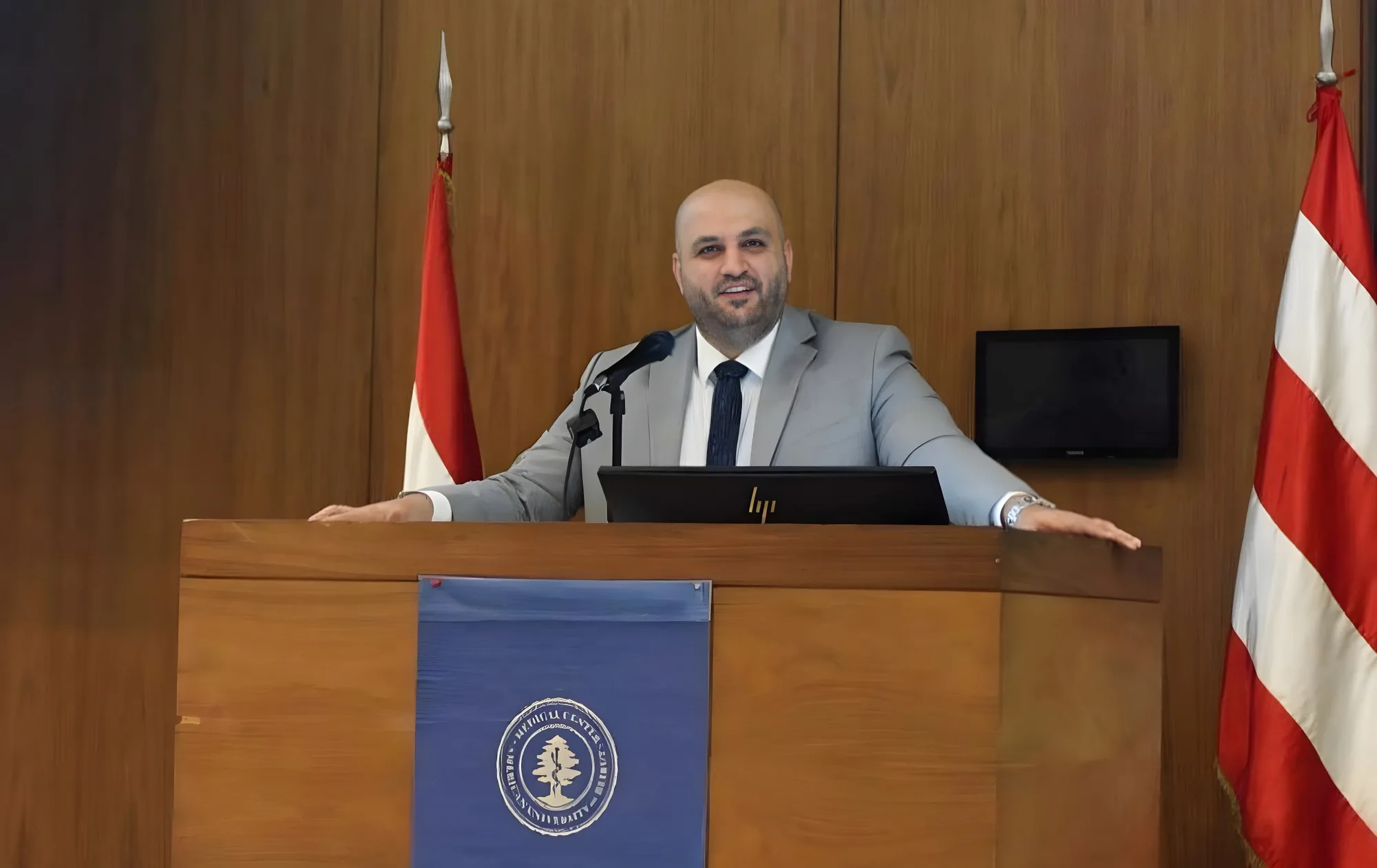
Health Minister Opens National Osteoporosis Day and Reactivates Technical Committee

Marqas: New Plan for Lebanon TV and Public Media Development
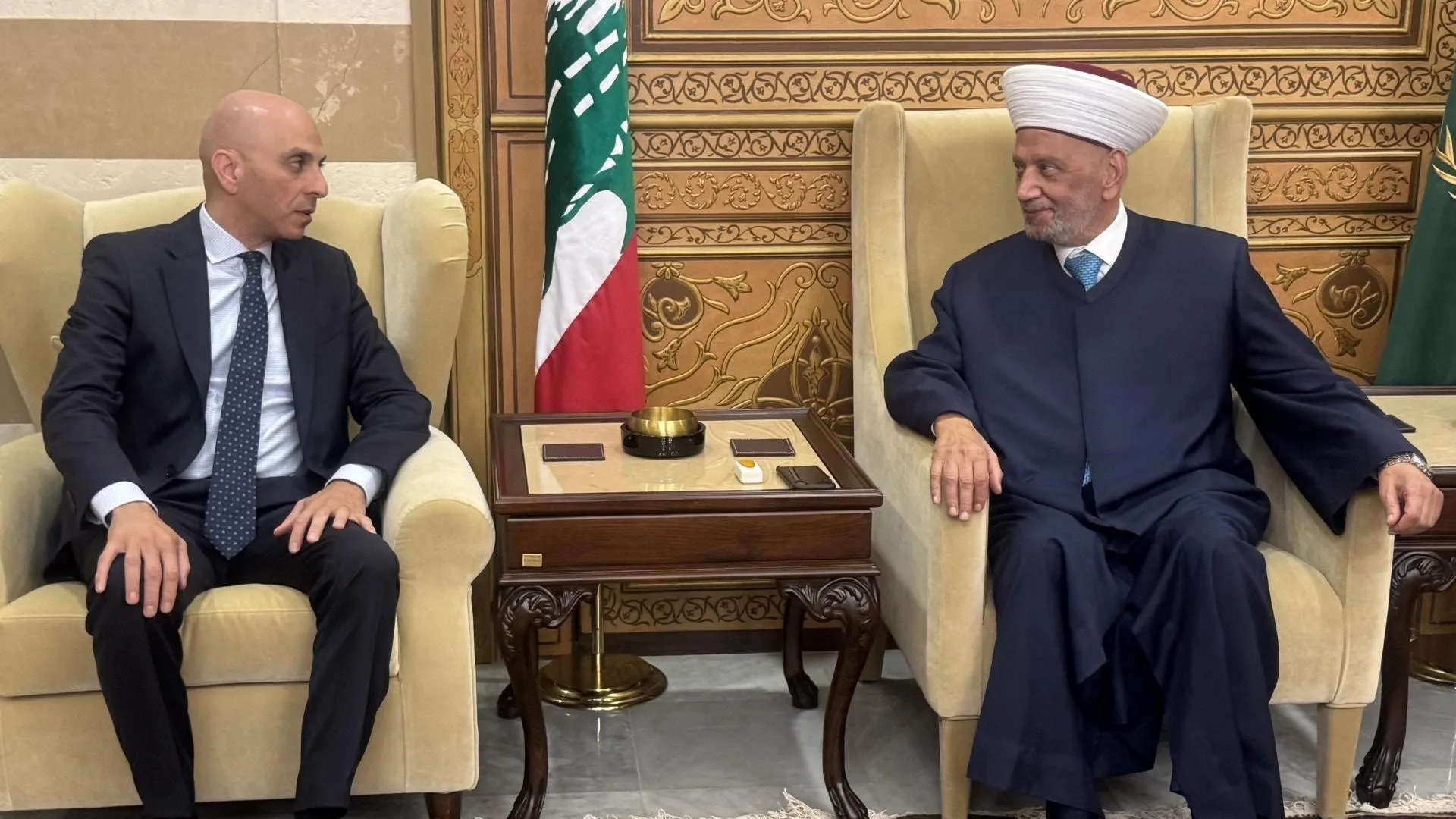
Grand Mufti Receives Egyptian Ambassador
