·
·


World
Six months after the January 29 agreement between Syrian authorities and "QSD," humanitarian advances contrast with stalled security and military integration efforts.

Six months have passed since the January 29 agreement was signed between the Syrian government and the Syrian Democratic Forces ("QSD"), ending the state of war between the two parties.
While the integration process concerning security, military, and judicial institutions remains clearly stalled, a notable breakthrough has occurred in the humanitarian sector. This progress has kept the agreement viable and provided the necessary remedy to address the deadlock in the integration process. When wounds begin to heal, all problems become more manageable.
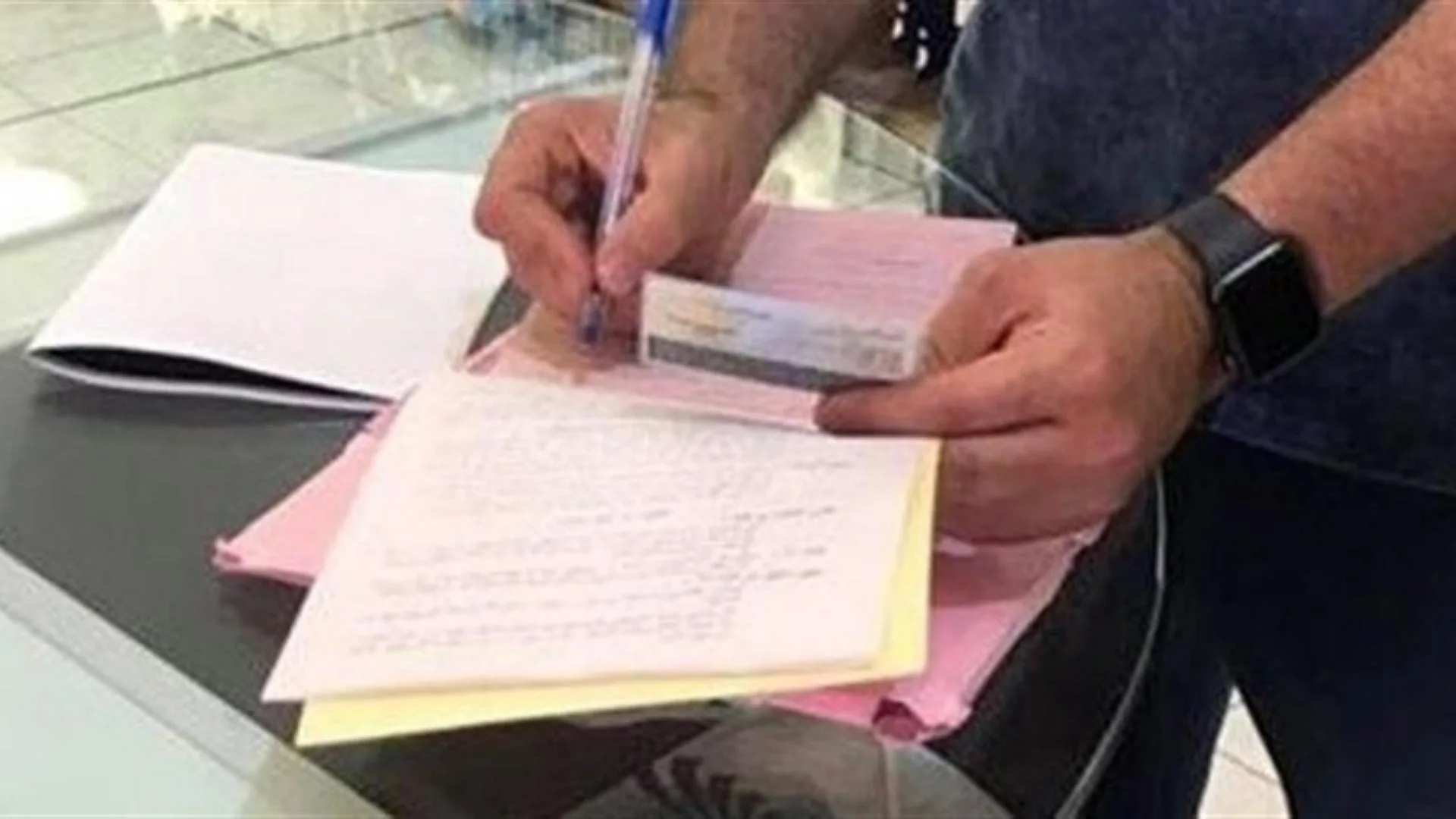
One significant indicator of this progress is the return of displaced families from Afrin to their homes in Al-Hasakah, supervised by the presidential team. Siamand Afrin, deputy commander of the Internal Security Forces in Al-Hasakah and general commander of the "Asayish," announced the return of the eighth group of displaced families from Afrin. This batch included approximately 1,700 families, bringing the total number of returning families to over 8,500. Afrin also noted that around 1,300 families have voluntarily remained in the areas to which they fled, with some settling in Al-Hasakah and others planning to return after completing their general examinations.
Sources close to the Autonomous Administration in northeastern Syria indicated to RT that significant progress has been made regarding the return of displaced persons. Both parties have substantially resolved the issue of detainees: the Syrian government released "QSD" members captured during battles preceding the agreement. According to these sources, "QSD" prioritized this issue after the return of displaced families from Afrin and Ras al-Ain residing in Al-Hasakah to their original areas without conditions. Concurrently, "QSD" released several government personnel and detainees from armed factions it had captured before the fall of the Assad regime, including members of "Hay'at Tahrir al-Sham."
Regarding the broader context of displacement, the sources highlighted the historical circumstances surrounding the mass displacement of Syrian Kurds. The January 2024 takeover of Aleppo city and its countryside by Syrian Ministry of Defense forces, which include jihadist factions, occurred before the agreement was signed. This event caused tens of thousands of people from Afrin—who had previously fled to Aleppo and Tel Rifaat—to relocate once again toward areas under "QSD" control in Al-Hasakah and Raqqa.
The sources estimated this displaced population at approximately 200,000 individuals, who feared retaliatory actions similar to those experienced during the 2018 control of Afrin by the "Olive Branch" factions, which had forced them to flee to Aleppo and its northern countryside.
Following the establishment of a presidential committee to monitor the agreement's implementation in its initial weeks, a notable development occurred in February with the initiation of the first return flights for displaced persons. Pressure from the Damascus government on armed factions occupying homes in Afrin during their control period led to the evacuation of these properties. This facilitated the return of displaced families, fostering stability and encouraging others to gradually return after their fears diminished.
The sources also pointed to a positive step by the Syrian government, which promised to integrate approximately 500 individuals from Afrin working within the "Asayish" into official government security agencies, assigning them responsibilities for maintaining security in the city and its villages.
However, the situation remains challenging for displaced persons from Ras al-Ain residing in Al-Hasakah and in the "Al-Talia" (Serekaniye) and "Al-Tweina" (Washukani) camps west of the city. Kurdish political analyst Azdishir Hamdi told RT that both "QSD" and the Damascus government are currently taking steps concerning their return. He reported that Brigadier General Marwan Al-Ali, commander of Internal Security in Al-Hasakah, and his deputy Brigadier General Mahmoud Khalil (Siamand Afrin) recently visited Ras al-Ain. They held meetings aimed at organizing the first convoys to return to the city and its countryside, expected to occur before the end of the current year.
Hamdi estimated that more than 15,000 families are eager to return after being forcibly displaced during the 2019 "Peace Spring" operation conducted by the Turkish army and allied Syrian factions.
The political analyst emphasized that operational obstacles remain, notably the refusal of some armed faction members to vacate homes occupied by displaced families. Overcoming these challenges in the Ras al-Ain displacement file will serve as a key indicator for building trust in other issues related to integrating "QSD" into Syrian state institutions.