·
·


World
Latin America's political landscape is shifting rightward, with Trump endorsing several leaders, raising questions about the durability of these ideological and strategic ties.

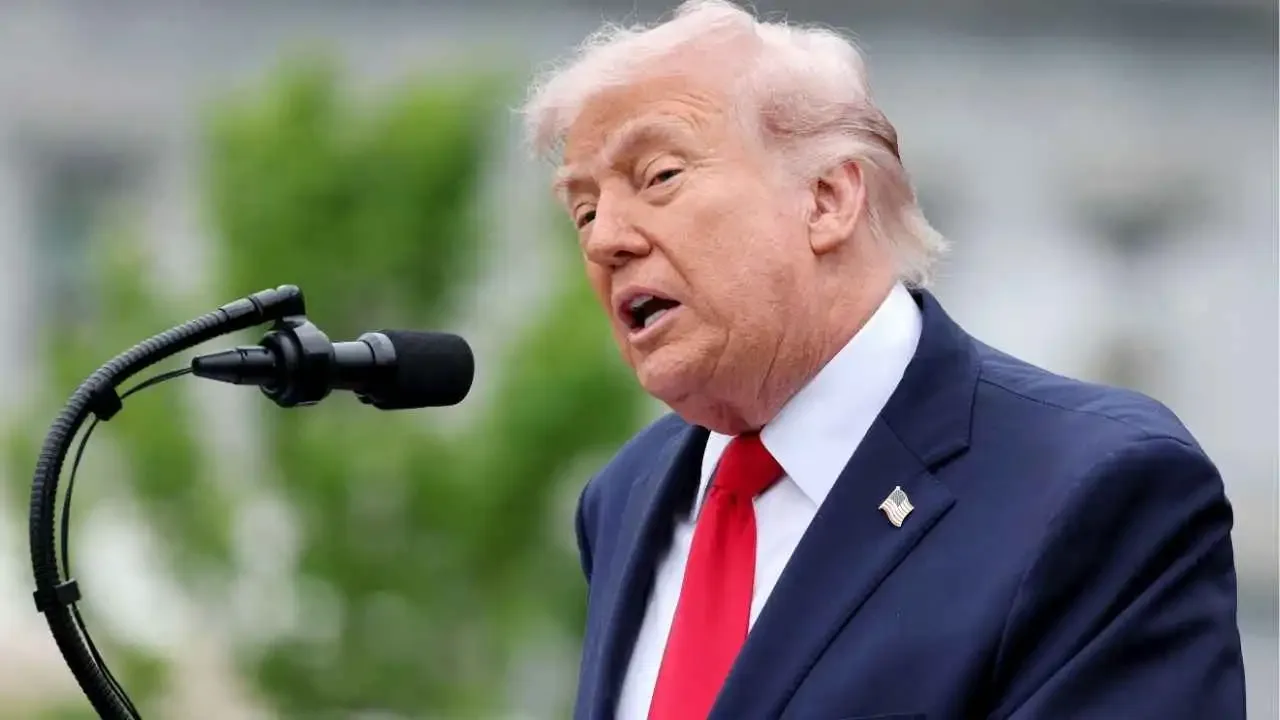
When Abelardo de la Espriella won the Colombian presidential election on June 21, US President Donald Trump hailed him as "The Tiger" in front of cameras. The far-right candidate, nicknamed "The Tiger," represents the latest addition to a growing list of right-wing leaders emerging across Latin America, a trend that has drawn Trump's approval. However, whether this ideological closeness is sufficient to forge strong alliances remains uncertain.
A wave of right-wing victories is spreading from Tegucigalpa to Buenos Aires. In March, José Antonio Kast defeated leftist forces in Chile. In June, the far-right Abelardo de la Espriella assumed power in Colombia. On June 24, Keiko Fujimori declared she was on track to win the Peruvian presidency. Earlier, Nayib Bukele had established an exceptional model in El Salvador by suspending civil liberties under the pretext of combating crime, while Daniel Noboa in Ecuador secured re-election for 2025. In Argentina, Javier Milei won a legislative majority in October 2025, enabling him to pursue his radical libertarian agenda.
The French newspaper Le Monde summarizes the overall picture: Latin American countries are governed by right-wing or far-right currents, with two main exceptions being Mexico and Brazil.
These leaders, despite their diverse national contexts, share more than coincidence. Le Monde identifies an ideological thread: opposition to immigration was "essential to explain the far-right's return to La Moneda Palace" in Santiago. The promise to defeat crime "by all means necessary, even at the expense of the law" echoes from Bogotá to Santiago and beyond.
This political dynamic was evident in March when Trump convened most right-wing and far-right presidents in Florida for a summit he called the "Shield of the Americas." Thomas Bousado, a professor of contemporary Latin American civilization at the University of Rouen Normandy, offered a precise analysis to Huffington Post: "Trump is one of the unifying factors of this extremism, but what is being built may resemble voluntary servitude more than an alliance."
Trump's dominance extends beyond ideology. On January 3, Venezuelan President Nicolás Maduro was arrested in Caracas during a US special military operation, accused of involvement in drug trafficking. According to Le Monde, this operation did not provoke significant criticism in the region, partly due to Maduro's policies that plunged an oil-rich country into an endless economic crisis.
Washington is also increasing pressure on Cuba's faltering regime.
Huffington Post highlights a crucial factor: trade. China is the primary trading partner for many Latin American countries, filling the void left by the US's long withdrawal from the region. The bilateral trade between Latin America and the United States "lags behind" that with Beijing, a reality that political rhetoric fails to address.
Bousado further explains that even when governments align ideologically with Washington, "there is not necessarily popular support for this alliance" in societies that maintain close economic ties with China. While new leaders may welcome Trump, they are unlikely to jeopardize their economic lifelines with Beijing to please Washington.
The next major event observers await is Brazil's October election. Incumbent President Lula da Silva, seeking another term, faces Flávio Bolsonaro, son of the former president sentenced to 27 years for attempting a coup. Trump supports Bolsonaro Jr., and if he wins, the far-right map of Latin America's largest country will be complete.
Yet, even in this scenario, questions persist: what does far-right governance in Latin America under Trump signify? Does it represent genuine strategic alliances, or merely "harmonized statements and pragmatic bilateral relations that keep the door open to Beijing?" This question remains unanswered by the loud Trumpian enthusiasm.