World
Mozambique: ISIS Expands as Gas War Intensifies
ISIS militants continue advancing in northeastern Mozambique despite international support for the army, which faces local distrust due to alleged abuses. The conflict threatens a $20 billion gas project.

Extremists from the "ISIS" organization continue their operations in Mozambican cities, making progress in the northeast of the country, despite the significant international and regional support received by the army, which suffers particularly from the lack of trust among local populations due to accusations of soldier abuses against civilians.
9 years
October marked the 9th anniversary of an insurgency led by extremists in Cabo Delgado, one of the poorest provinces in Mozambique, which is rich in natural resources, most notably gas, which French company "TotalEnergies" plans to exploit as liquefied natural gas starting in 2029.
When extremists attacked Cabo Delgado 9 years ago, specifically on October 5, 2017, the armed forces in Mozambique were caught off guard despite their experience spanning three decades in fighting armed conflicts within the country.
Until then, Mozambique had been largely immune to the terrorist threats faced by other African countries and beyond. Mozambican self-defense forces controlled only minimally the Cabo Delgado province and were not prepared for a rural guerrilla war imposed by local extremists with external support. They lacked combat capabilities, logistics, modern military equipment, aerial combat capabilities, and military intelligence.
Since then, the Democratic Armed Forces have benefited from intensive external training and strenuous efforts to improve logistics and equipment. However, this has not yet translated into tangible results on the ground, as local communities still suffer from a lack of security and human rights violations by state forces. It was precisely in these communities that the armed forces were expected to achieve notable progress against the militants.
The seizure of provincial capitals by rebel extremists and the suspension by "TotalEnergies" of its $20 billion USD gas extraction project in 2021 forced the government to request external support.
According to an assessment by the South African Institute for Security Studies regarding the weaknesses of the Mozambican National Defense Armed Forces, these multifaceted partnerships included soldier training, provision of materials and equipment, and logistical support.
These arose from a diverse group of partners mentioned by the research center, namely the Southern African Development Community Mission in Mozambique (SAMIM), Rwanda, the European Union, Turkey, the United States, Russia—including brief intervention by the "Wagner" group—China, and India.
These initiatives are gradually contributing to transforming the capabilities of the armed forces and improving soldier survival rates. However, the shortage of logistical resources and equipment remains a major operational weakness, as most of the armed forces' equipment comes from Russia and China.
Two key points
The institute's analysis highlights two main weaknesses so far. On one hand, since the withdrawal of the Southern African Development Community Mission in Mozambique "SAMIM" in mid-2024, deadly ambushes carried out by armed groups targeting the army have increased.
On the other hand, Mozambican forces have been accused of sexually exploiting displaced women, killing civilians suspected of cooperating with extremist groups, and committing human rights violations against those detained.
These abuses against civilians stem specifically from inconsistent training provided by various partners. But political leaders in Mozambique, including President Daniel Chapo, have not addressed these issues publicly, leaving local communities without recourse.
Latest news
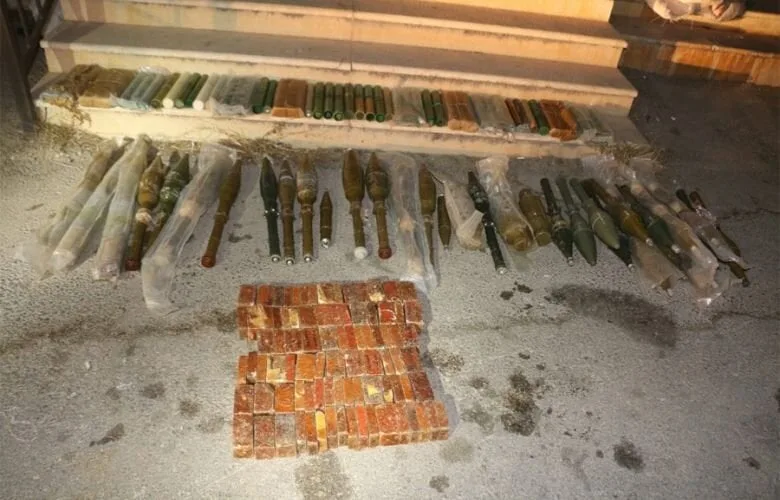
Armed Clash Between Army and Smuggler; Rocket Shells, Explosives, and Drugs Seized on Lebanese-Syrian Border

Rubio: ICC Is 'Rogue' and We Will Work to Dismantle It

Haneen El-Sayed: Supporting Artisans Is an Investment in Job Opportunities