·
·


World
The initial agreement between Trump and Iran may only postpone core crises without resolving them, raising doubts about its durability.

Western media reports on Monday indicated that the preliminary agreement announced by US President Donald Trump with Iran, promoted as a major diplomatic breakthrough, might merely represent a "memorandum of misunderstanding" that delays fundamental crises without resolving them.
A report published by the British newspaper iNews noted that the full text of the agreement has not yet been released, and that negotiations between Washington and Tehran were conducted indirectly through intermediaries, primarily Pakistan and Qatar.
Based on public statements, Iran has agreed to reopen the Strait of Hormuz to navigation starting Friday, a passageway responsible for about 20% of global oil supplies. In return, the United States committed to lifting the naval blockade imposed on Iranian ports in the region, according to the report.
However, the report emphasized that more complicated matters, chiefly Iran’s nuclear program and the lifting of economic sanctions, have been postponed to subsequent talks during a 60-day truce period, meaning that "major questions remain unanswered."
The report described this arrangement as effectively restoring the situation to its pre-war state, noting that the Strait of Hormuz was open before the military escalation and that there was no global energy crisis of this magnitude. It also highlighted the continuing lack of trust between the parties, citing Iran’s official approval announcement delayed until the early hours in Tehran, interpreted as an attempt to avoid granting Trump a "political victory" on his birthday.
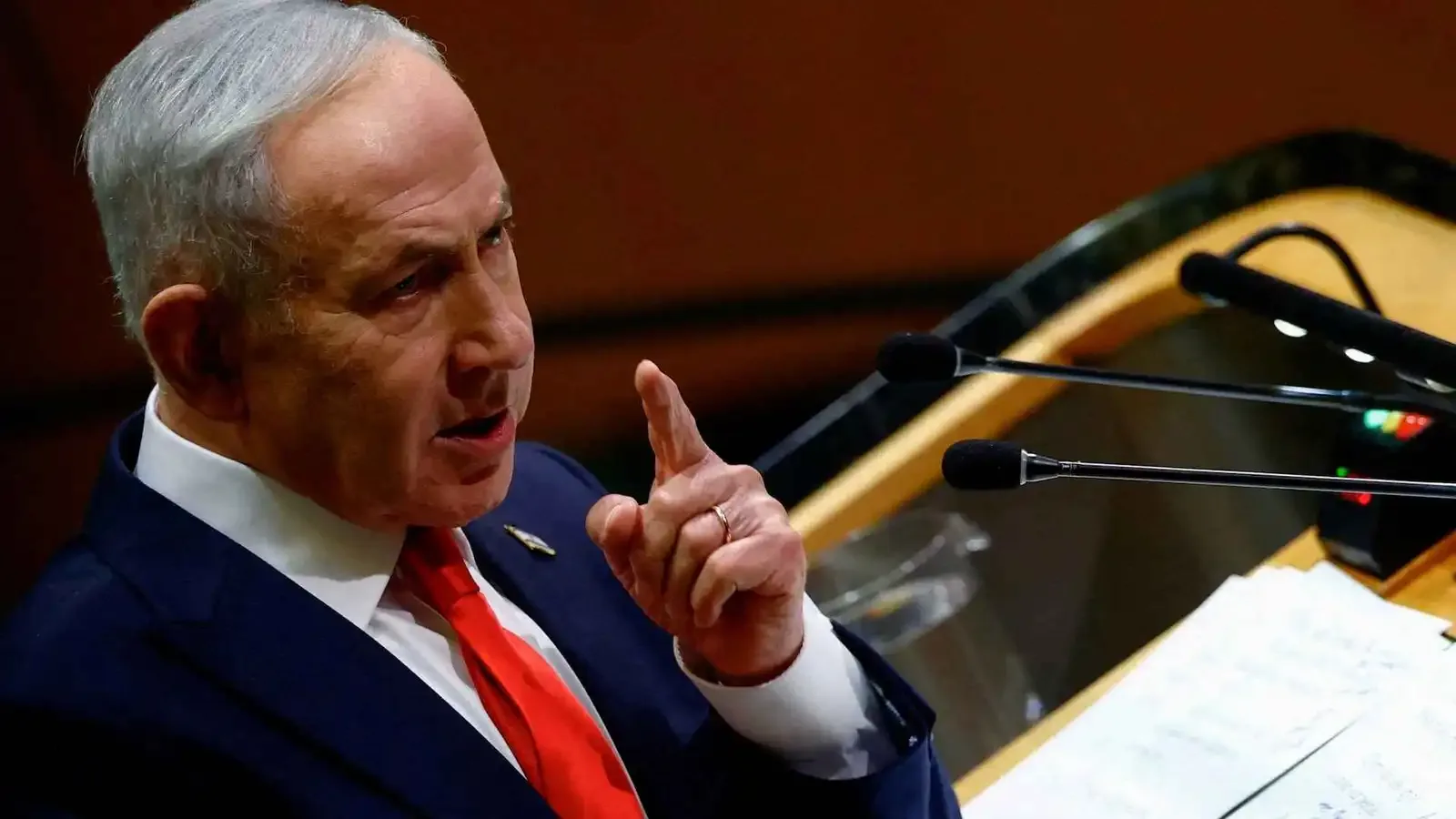
On his platform Truth Social, President Donald Trump described the agreement as "complete," announcing the reopening of the Strait of Hormuz and the lifting of the naval blockade, while calling for "free flow of oil."
The report pointed out that Trump’s domestic motivations are as significant as the geopolitical factors, explaining that his political base, MAGA, was dissatisfied with engaging in a new Middle Eastern war. There were also growing concerns within the United States about rising fuel prices.
The newspaper clarified that one point of contention within the American camp itself concerns the future of Iran’s uranium enrichment. Trump insists on strictly limiting the program, while Tehran maintains its right to enrichment for civilian purposes under the Nuclear Non-Proliferation Treaty.
Uncertainty also surrounds the fate of Iran’s frozen financial assets and the possibility of releasing them through intermediaries such as Qatar, which could become a central element in any final agreement, the report added.
The report concluded by stating that the coming days will be critical in testing the durability of this "understanding," warning that what is presented as a peace agreement could quickly turn into a "memorandum of misunderstanding" if the parties fail to overcome core disagreements concerning the nuclear program, sanctions, and Iran’s regional role.