·
·


World
Ukraine has significantly increased drone attacks on military and energy sites in Crimea to sever the peninsula's connection to Russia, aiming to isolate Russian forces there.

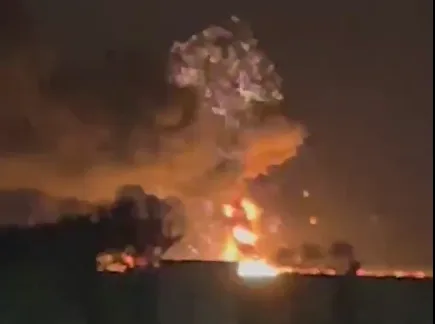
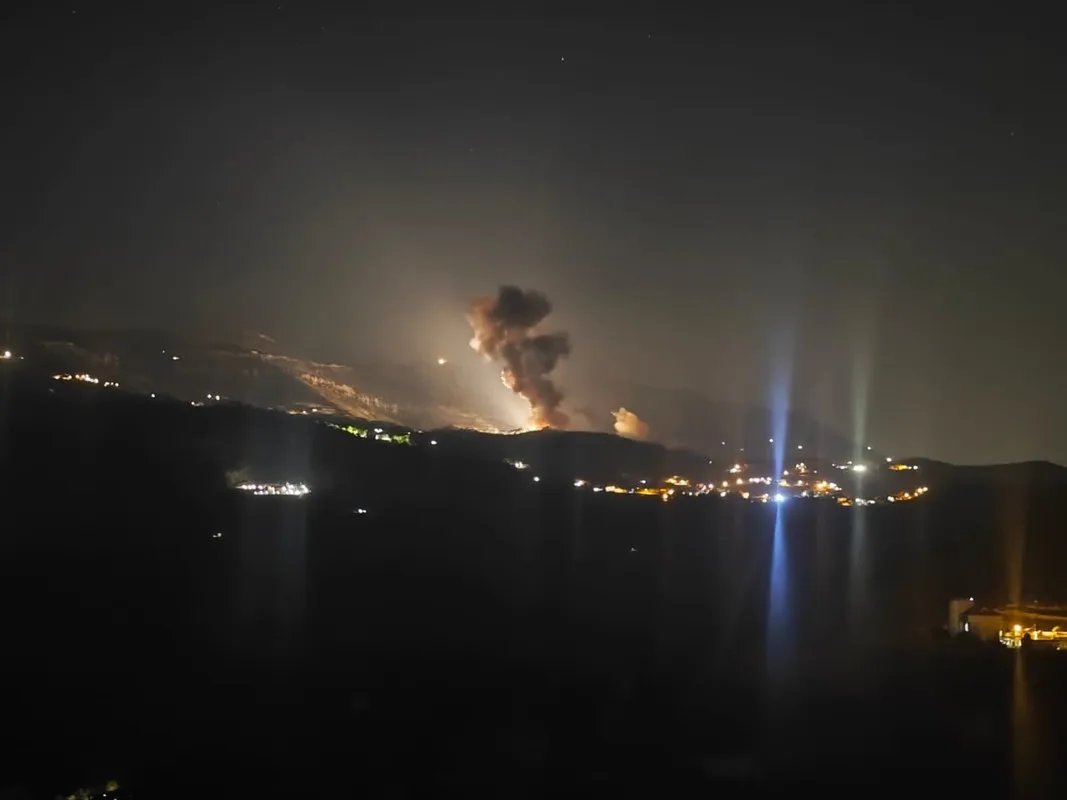
Ukraine has notably escalated its drone strikes targeting military installations and energy facilities in Crimea and its surrounding areas. This move is viewed as a deliberate strategy by Kyiv to isolate the Russian-controlled Ukrainian peninsula from mainland Russia, according to Euronews.
The annexation of Crimea, a strategically important region in southern Ukraine extending into the Black Sea, marked the beginning of Russia's invasion of Ukraine twelve years ago. Since then, Ukraine has repeatedly affirmed that it will not consider the war fully over until Crimea is liberated and returned to Ukrainian sovereignty and the indigenous Crimean Tatar community.
For Moscow, Crimea represents its most significant gain in the conflict against Ukraine and is considered the territory Russia might eventually relinquish, if at all.
With the intensification of Ukrainian drone attacks, Kyiv aims to sever Crimea from Russian control and complicate the presence of Russian forces on the peninsula. Since the early days of the large-scale Russian invasion launched in February 2022, Ukraine has frequently employed missiles and drones to target Russian assets in Crimea.
Currently, Kyiv focuses on undermining Russia's logistical capacity to support its forces in Crimea, thereby making Russian military operations and presence increasingly difficult over time.
Crimea occupies a complex and strategic geographical position between Ukraine, Russia, and the broader Black Sea region. The peninsula is connected to the southern Ukrainian territories under Russian occupation by a narrow land corridor across the Perekop Isthmus, alongside a network of roads and railways traversing parts of the Kherson region, which has been occupied since 2022.
Moscow utilizes these routes to transport troops, ammunition, and fuel into Crimea, making them prime targets for Ukrainian strikes.
On Thursday, Ukraine confirmed a strike that destroyed 50 military transport vehicles carrying fuel and ammunition on the Armyansk bridge linking Crimea to mainland Ukraine. The Ukrainian military command stated that this convoy was partially targeted due to previous strikes on Mariupol and the road leading to Berdyansk, both under Russian control on the Sea of Azov coast.
Vladimir Saldo, appointed by Moscow as head of the occupied Kherson region, acknowledged several Ukrainian attacks on bridges connecting occupied Kherson to Crimea. These included a bridge over the North Crimean Canal near Prychornomorsk and Mirne, the Perekop-Armyansk highway bridge, and the Stavky road bridge. These bridges span the North Crimean Canal and the M-17 highway between Armyansk and Oleshky.
The US-based Institute for the Study of War reported that Ukrainian forces are expanding their medium-range strike campaign against Russian land supply lines across occupied southern Ukraine. The institute noted that Ukraine is disrupting Russia’s ability to safely use supply routes between southwestern Russia and occupied Crimea.
It added that the continuation of Ukrainian strikes on Russian ground supply lines could produce cumulative battlefield effects and complicate Russian preparations for offensive operations.
Russia supplies its forces in Crimea with gasoline, diesel, and aviation fuel through three main channels: road and rail tankers crossing the Kerch bridge, maritime shipments, and land routes through occupied southern Ukraine. As Ukraine increasingly targets these supply lines, Crimea is experiencing its worst fuel crisis since its annexation in 2014.
Authorities have reduced the maximum fuel purchase limit to 20 liters per week, down from 20 liters per day, amid worsening shortages.
Robert Brovdi, commander of Ukrainian unmanned systems forces, known as "Madiar," stated that Ukraine’s objective is to isolate Crimea from Russia by disrupting the main military supply routes leading to the peninsula. He explained that military shipments on the "Novorossiya" R-280 highway—which connects Russia to Crimea through Mariupol, Berdyansk, and Melitopol on the Sea of Azov coast—have decreased by 71% over the past two weeks due to Ukrainian strikes.
Brovdi said, "Within another month, we will have full control over the road." He added that Ukraine’s broader goal is to make it increasingly difficult for Russian soldiers and defense industry workers to remain in Crimea and the occupied Ukrainian territories.
He continued, "We will create conditions that make it extremely difficult for any soldier or defense sector worker to stay in Crimea or the temporarily occupied territories or to use the access routes to them." Brovdi concluded by saying, "We will isolate Crimea in the near future."