·
·


World
Intelligence and media reports reveal that US President Donald Trump will deliver a 'harsh and devastating' blow to Cuba after the conclusion of the 2026 World Cup in the United States and Mexico.

Intelligence and media reports have revealed that US President Donald Trump will deliver a 'harsh and devastating' blow to Cuba, after the curtain falls on the 2026 World Cup competitions in the United States and Mexico.
Cuba is now suffering from increasing European pressure over the country's human rights file, as eyes turn to the White House in anticipation of a US decision regarding Havana.
The British newspaper 'The Times' indicated that the Trump administration preferred to wait relatively during the World Cup period, using the sporting event as a direct platform to showcase American soft power in more than one field.
The newspaper adds, in an article by writer Rogers Boyes, that with the tournament nearing its end, the military 'zero hour' against Cuba seems to have arrived, as the Republican Party seeks to deliver tangible and decisive results to conservative voters and Cuban community circles in Florida, ahead of the upcoming midterm legislative elections.
Boyes considers that the overthrow of Nicolas Maduro's regime in Venezuela, earlier this year, represented a successful model that Washington is trying to replicate in Havana, using the quartet of 'economic strangulation', 'political tightening', 'judicial prosecution', and 'lightning military strike'.
Political and media estimates indicate that the anticipated US moves against Cuba will be an extension of steps whose repercussions and outcomes have begun to crystallize within Cuba itself.
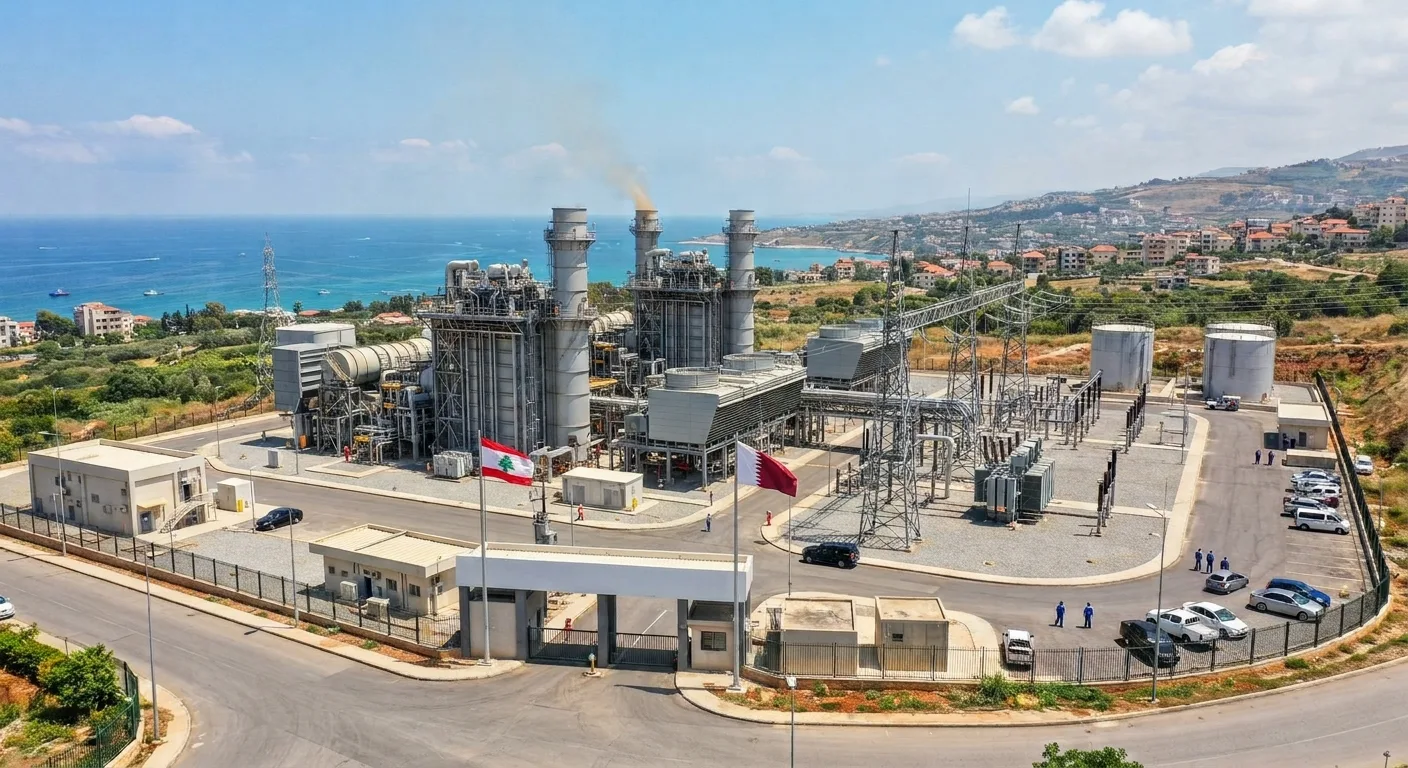
The energy blockade imposed on Cuba led to cutting off the oil artery and drying up the financial resources of the electricity generation network, leading to widespread energy paralysis, cemented by the collapse of the electrical system twice within one week this month, leaving outages exceeding 73 hours in wide provinces.
The judicial prosecutions of Raul Castro on charges of shooting down planes of the humanitarian organization 'Brothers to the Rescue' in 1996 represented a strong and strict message from the American system to the Cuban military and political establishment, which automatically evoked the Maduro scenario.
In addition to the economic sanctions that have expanded significantly in the recent period, they have included military companies, wide tourism and financial sectors, and Cuban security and military apparatuses.
Based on all these factors, Cuba has become a political, social, and economic environment favorable for any new American military escalation, especially since the country is experiencing unprecedented internal boiling and local tension.
With the fifth anniversary of the July 11, 2021 protests, numerous demonstrations and protests known as 'pot banging' emerged in Havana and its suburbs, as living demands shifted from providing food and electricity to chants demanding 'freedom' and 'down with the dictatorship'.
Internationally, European-Cuban diplomatic relations appear to have taken a negative turn against the backdrop of the continuous deterioration in the human rights file and the suppression of political opponents.
Worsening Crisis
Cuban media sources confirmed that the 'Political Dialogue and Cooperation Agreement' signed between the European Union and Cuba faces the risk of suspension, amid escalating pressures within the European Parliament demanding a firmer stance towards the Havana government.
These pressures are driven by a decision that received a majority of votes within the European Parliament, as deputies demand suspending the agreement that has regulated bilateral relations since 2017.
The European Parliament adopted on June 18 a resolution on political repression and the humanitarian situation in Cuba, which received support from 283 votes, opposition from 199 others, and 85 abstentions.
The current opposing the continuation of the agreement, led by conservative and liberal political blocs, believes that the current formula of the partnership has not fulfilled its promises in achieving political openness or improving the living conditions of the Cuban citizen, but rather has become an indirect financial and political cover for the Castro regime.
In contrast, the European Commission and some member states defend the continuation of open dialogue channels, on the pretext that suspending or canceling the agreement would mean Brussels losing the last tools of influence and soft diplomacy in Havana.
This may push Cuba to two options: either deepening its strategic and military alliances with competing international powers such as Russia and China, or further submission to American demands, meaning the Trump administration monopolizing the entire Cuban space.
These developments coincide with a stifling economic and living crisis afflicting the Cuban interior, embodied in a near-total collapse of the national energy system, continuous power outages, and a severe shortage of basic goods and medicines, putting the joint European agreement at stake between considerations of human rights principles and the requirements of political realism.